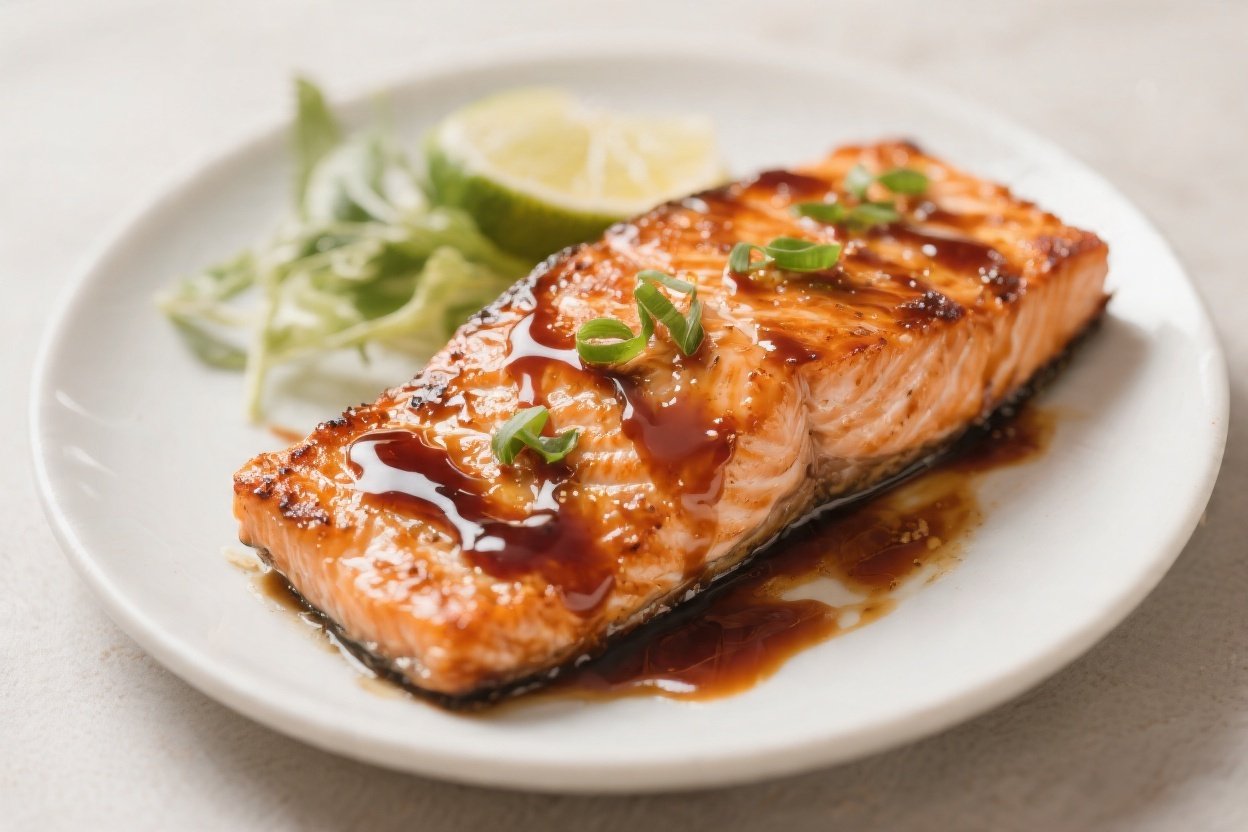
If you’re craving something savory, a little sweet, and totally satisfying, baked teriyaki salmon is a winner. It’s the kind of meal that feels special but comes together fast, even on a busy weeknight. The sticky glaze bakes right onto the fish, and the edges caramelize just enough to keep each bite interesting.
Pair it with rice and a quick veggie, and you’ve got a full dinner with very little fuss. This is the recipe you’ll come back to when you want something easy, reliable, and crowd-pleasing.
What Makes This Recipe So Good
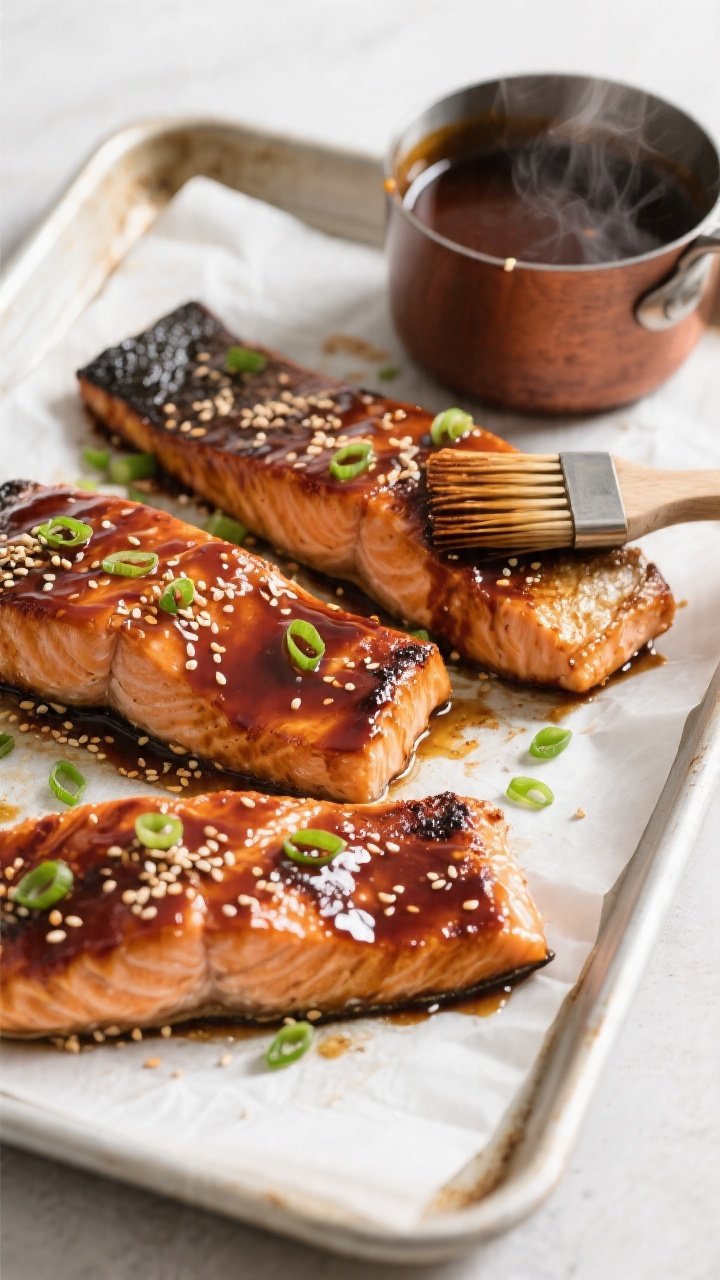
- Big flavor, minimal effort: The teriyaki glaze is made with pantry staples and comes together in minutes. No complicated steps, but tons of taste.
- Perfect texture: Baking helps keep the salmon tender and juicy, and a quick broil at the end adds that glossy, slightly caramelized finish.
- Versatile: Works with fillets or a whole side of salmon. Great with rice, quinoa, noodles, or a crisp salad.
- Meal-prep friendly: Leftovers taste great cold or gently reheated, and the sauce is just as good on veggies.
- Balanced nutrition: You get lean protein, omega-3s, and a flavorful sauce that’s easy to tweak for your needs.
Ingredients
- 4 salmon fillets (about 5–6 ounces each), skin-on or skinless
- 1/3 cup low-sodium soy sauce (or tamari for gluten-free)
- 3 tablespoons honey (or brown sugar)
- 2 tablespoons rice vinegar (unseasoned preferred)
- 1 tablespoon toasted sesame oil
- 2 cloves garlic, finely minced
- 1 teaspoon fresh ginger, grated (or 1/2 teaspoon ground ginger)
- 1 tablespoon cornstarch
- 1/4 cup cold water (for the cornstarch slurry)
- 1 tablespoon neutral oil (for the pan)
- Sesame seeds, for garnish
- 2 green onions, thinly sliced, for garnish
- Lime or lemon wedges (optional, for serving)
Step-by-Step Instructions
- Preheat and prep: Heat your oven to 400°F (200°C). Line a baking sheet with foil or parchment for easy cleanup. Lightly oil the surface.
- Mix the teriyaki sauce base: In a small saucepan, whisk together the soy sauce, honey, rice vinegar, sesame oil, garlic, and ginger. Bring to a gentle simmer over medium heat.
- Thicken the sauce: Stir the cornstarch with cold water until smooth. Slowly whisk this slurry into the simmering sauce. Cook 1–2 minutes, stirring, until the sauce is glossy and slightly thick. Remove from heat.
- Prepare the salmon: Pat the salmon dry and place it on the prepared baking sheet, skin-side down if using skin-on fillets. Spoon about half of the teriyaki sauce over the top of the salmon, coating evenly.
- Bake: Bake for 10–12 minutes, depending on thickness. As a guide, 1-inch thick fillets take around 12 minutes. The salmon should flake easily and be just opaque in the center.
- Optional broil for glaze: For a stickier, caramelized finish, switch to broil for 1–2 minutes. Keep a close eye on it so the sugars don’t burn.
- Glaze and garnish: Brush the salmon with some of the remaining sauce. Sprinkle with sesame seeds and green onions. Serve with extra sauce on the side.
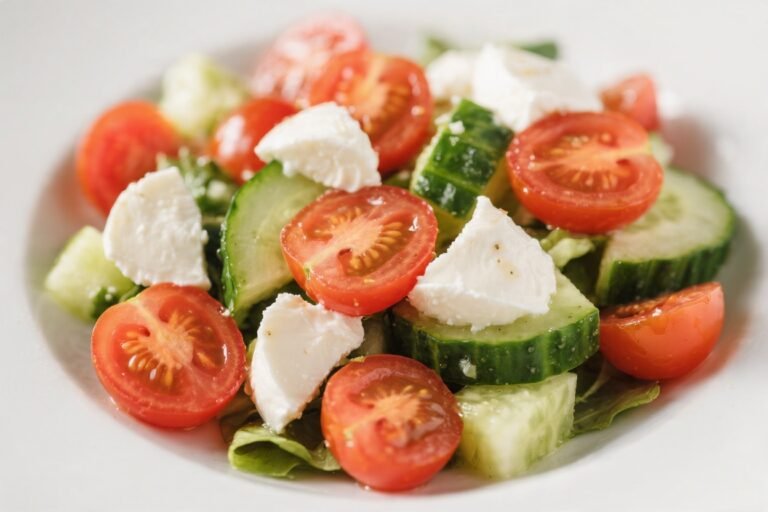
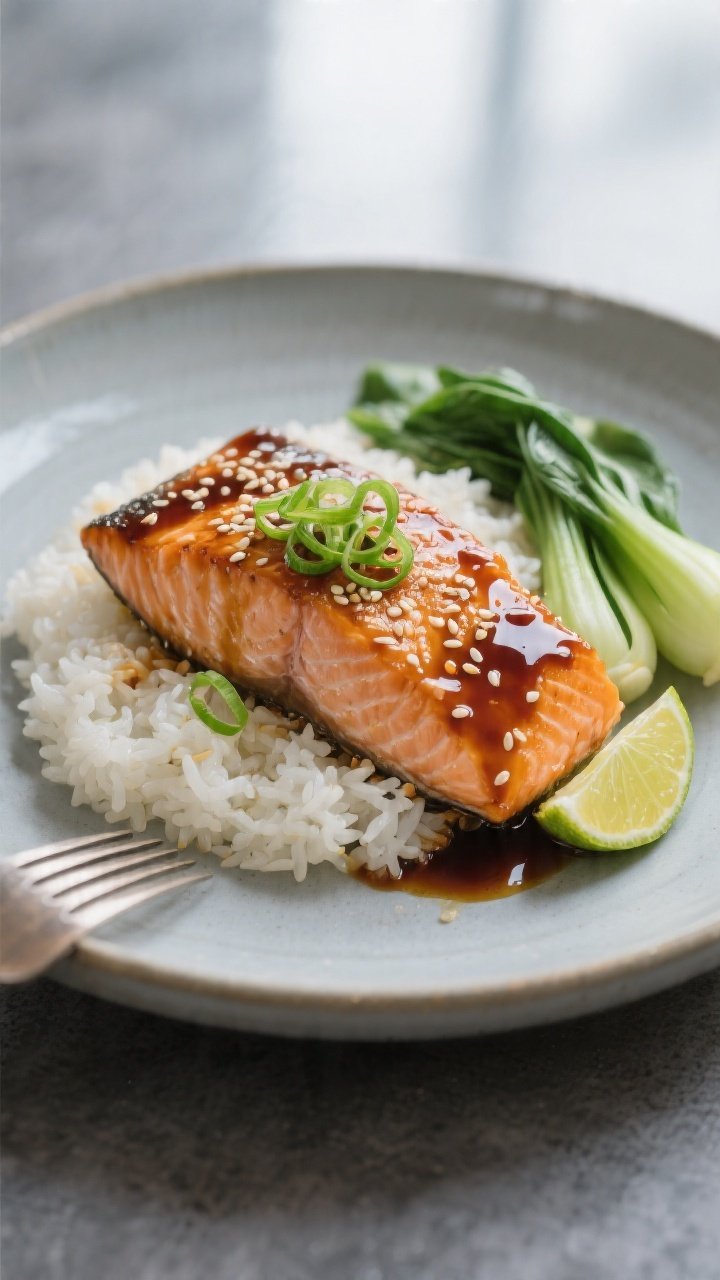
- Serve: Plate with steamed rice, sautéed bok choy, broccoli, or a simple cucumber salad. Add a squeeze of citrus if you like a bright finish.
How to Store
- Refrigerator: Store leftover salmon in an airtight container for up to 3 days. Keep extra sauce in a separate small container.
- Reheat gently: Warm in a 275°F (135°C) oven for 8–10 minutes or microwave at 50% power in short bursts to avoid drying it out.
- Freezing: Cooked salmon freezes well for 1–2 months. Wrap tightly and thaw overnight in the fridge. Reheat gently to preserve texture.
- Serving cold: Flake chilled salmon over rice bowls or salads. Drizzle with remaining teriyaki sauce or a splash of soy and lime.
Why This is Good for You
- Rich in omega-3s: Salmon offers heart-healthy fats that support brain function and reduce inflammation.
- High-quality protein: Each serving provides satisfying protein to keep you full and help with muscle repair.
- Customizable sodium and sugar: Using low-sodium soy sauce and adjusting the honey keeps the balance right for your needs.
- Nutrient boost with sides: Pair with fiber-rich vegetables and whole grains to round out the meal.
Pitfalls to Watch Out For
- Overcooking: Salmon goes from perfect to dry quickly. Start checking at 9–10 minutes. Pull it when the center is just turning opaque.
- Burning the glaze: If you broil, watch closely. Sugars caramelize fast and can scorch in seconds.
- Too-salty sauce:</-strong> Regular soy sauce can be very salty. Use low-sodium or cut with a splash of water and a little extra honey or vinegar.
- Watery sauce: Make sure the cornstarch slurry is fully mixed and the sauce simmers briefly to thicken. If it’s still thin, simmer another minute.
- Uneven fillet thickness: Thicker pieces take longer. If your fillets vary, remove the thinner ones first to avoid overcooking.
Variations You Can Try
- Spicy kick: Add 1–2 teaspoons sriracha, chili-garlic sauce, or a pinch of red pepper flakes to the teriyaki.
- Citrus twist: Stir in 1 tablespoon orange juice or a little lemon zest to brighten the sauce.
- Garlic-forward: Increase garlic to 3–4 cloves and add a small pinch of black pepper.
- Ginger-heavy: Double the ginger and add a teaspoon of grated fresh turmeric for warmth.
- Maple teriyaki: Swap honey for pure maple syrup for a deeper, cozy sweetness.
- Sheet pan dinner: Add broccoli florets, snap peas, or bell peppers to the pan. Toss with a little oil and salt, and cook alongside the salmon.
- Grain bowl style: Serve over brown rice or quinoa with sliced avocado, cucumbers, edamame, and extra sauce.
FAQ
Can I use frozen salmon?
Yes. Thaw it overnight in the fridge or under cold running water while still sealed. Pat dry very well before adding the sauce so it bakes, not steams.
What if I don’t have cornstarch?
You can use arrowroot or tapioca starch in the same amount.
If you prefer to skip thickeners, simmer the sauce a bit longer until slightly reduced, then glaze after baking.
How do I know when salmon is done?
It should flake easily with a fork and be just opaque in the center. If you use a thermometer, aim for about 125–130°F (52–54°C) for moist, medium salmon.
Can I make this gluten-free?
Yes. Use tamari or a certified gluten-free soy sauce.
Everything else in the recipe is naturally gluten-free.
Is skin-on or skinless better?
Either works. Skin-on helps keep moisture in and makes it easier to lift the fillet after baking. You can slide the skin off after cooking if you prefer not to eat it.
Can I marinate the salmon first?
You can, but keep it short—15 to 30 minutes in the fridge is plenty.
Longer can make the texture a bit mushy due to the vinegar and salt.
What sides go best with this?
Steamed rice, jasmine or brown, is classic. Try roasted broccoli, sautéed bok choy, sesame green beans, or a simple cucumber salad for crunch.
Final Thoughts
Baked teriyaki salmon is the kind of recipe that fits any night and makes it feel a little special. The sauce is fast, the baking is hands-off, and the results are reliably delicious.
Keep the ingredients on hand, and you’ll always have a low-stress, high-reward dinner ready to go. Once you make it a couple of times, you’ll know it by heart—and that’s when it becomes a weeknight staple.
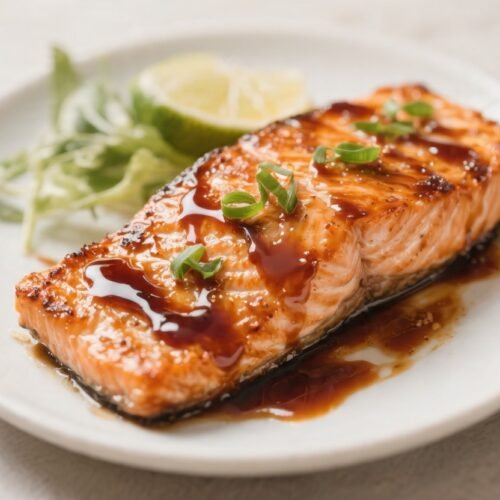
Baked Teriyaki Salmon - Simple, Flavorful, and Weeknight-Friendly
Ingredients
- 4 salmon fillets (about 5–6 ounces each), skin-on or skinless
- 1/3 cup low-sodium soy sauce (or tamari for gluten-free)
- 3 tablespoons honey (or brown sugar)
- 2 tablespoons rice vinegar (unseasoned preferred)
- 1 tablespoon toasted sesame oil
- 2 cloves garlic, finely minced
- 1 teaspoon fresh ginger, grated (or 1/2 teaspoon ground ginger)
- 1 tablespoon cornstarch
- 1/4 cup cold water (for the cornstarch slurry)
- 1 tablespoon neutral oil (for the pan)
- Sesame seeds, for garnish
- 2 green onions, thinly sliced, for garnish
- Lime or lemon wedges (optional, for serving)
Instructions
- Preheat and prep: Heat your oven to 400°F (200°C). Line a baking sheet with foil or parchment for easy cleanup. Lightly oil the surface.
- Mix the teriyaki sauce base: In a small saucepan, whisk together the soy sauce, honey, rice vinegar, sesame oil, garlic, and ginger. Bring to a gentle simmer over medium heat.
- Thicken the sauce: Stir the cornstarch with cold water until smooth. Slowly whisk this slurry into the simmering sauce. Cook 1–2 minutes, stirring, until the sauce is glossy and slightly thick. Remove from heat.
- Prepare the salmon: Pat the salmon dry and place it on the prepared baking sheet, skin-side down if using skin-on fillets. Spoon about half of the teriyaki sauce over the top of the salmon, coating evenly.
- Bake: Bake for 10–12 minutes, depending on thickness. As a guide, 1-inch thick fillets take around 12 minutes. The salmon should flake easily and be just opaque in the center.
- Optional broil for glaze: For a stickier, caramelized finish, switch to broil for 1–2 minutes. Keep a close eye on it so the sugars don’t burn.
- Glaze and garnish: Brush the salmon with some of the remaining sauce. Sprinkle with sesame seeds and green onions. Serve with extra sauce on the side.
- Serve: Plate with steamed rice, sautéed bok choy, broccoli, or a simple cucumber salad. Add a squeeze of citrus if you like a bright finish.