Weeknights can get busy fast, and cooking a full meal sometimes feels like more work than it’s worth. That’s where sheet pan dinners shine. You toss everything on one pan, season it well, and let the oven do the heavy lifting.
It’s simple, hands-off, and the cleanup is a breeze. Even better, sheet pan dinners are endlessly flexible, so you can use what you already have in the fridge.
What Makes This Special
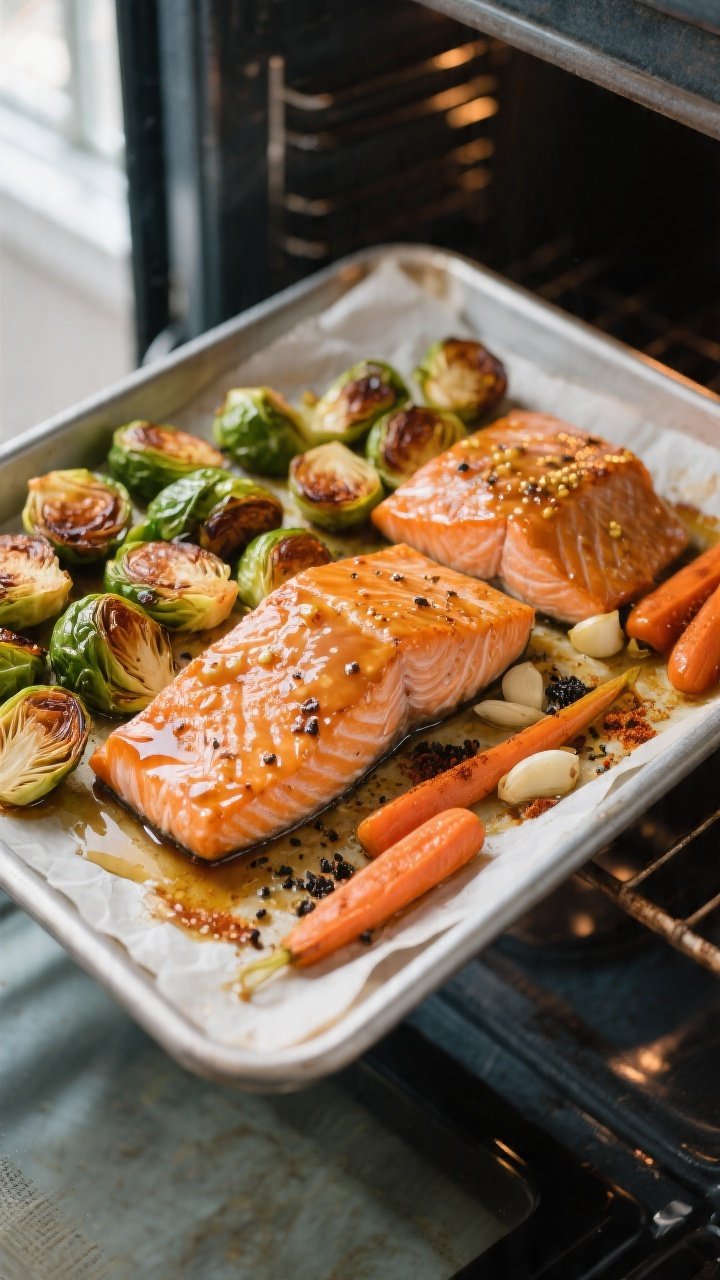
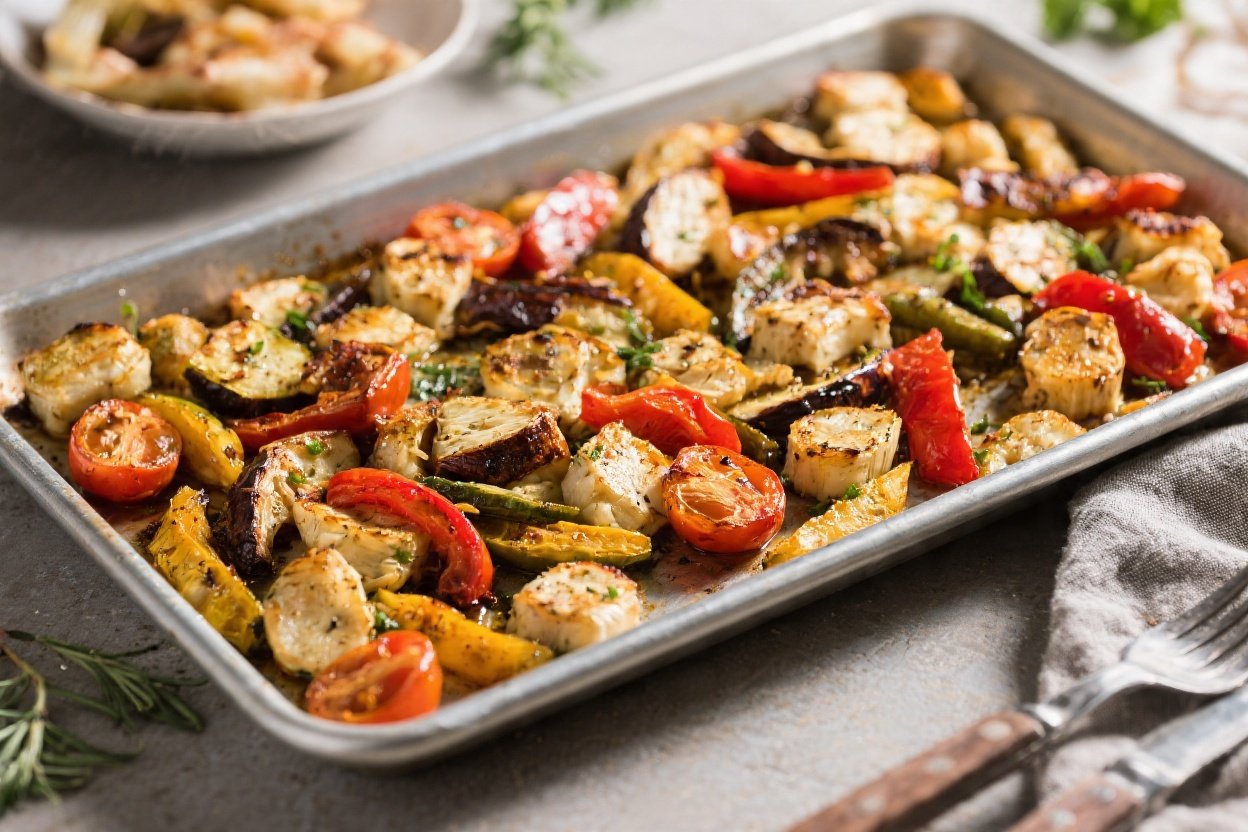
Sheet pan dinners are a weeknight hero because they combine speed, flavor, and convenience. You get a full meal—protein, veggies, and sometimes starch—roasted together so the flavors mingle.
The caramelization you get in the oven adds richness you won’t get from steaming or microwaving. Plus, you can prep ahead, toss onto a pan, and have dinner in the oven in minutes. They’re also perfect for using up odds and ends.
A half bell pepper, a handful of green beans, or that last sweet potato can all find a home here. With a few pantry staples, you can create something that tastes purposeful and feels balanced.
Shopping List
Below is a flexible base that covers a variety of sheet pan dinners. Mix and match based on what you like.
- Proteins: Chicken thighs or breasts, salmon fillets, shrimp, firm tofu, smoked sausage
- Vegetables: Broccoli, Brussels sprouts, green beans, bell peppers, red onion, cherry tomatoes, carrots, zucchini, sweet potatoes, baby potatoes, cauliflower
- Flavor base: Olive oil or avocado oil, garlic (fresh or powder), onion powder, smoked paprika, Italian seasoning, chili powder, cumin
- Acids and sweeteners: Lemon or lime, balsamic vinegar, honey or maple syrup
- Fresh herbs: Parsley, cilantro, dill, or thyme (optional but great)
- Starches (optional): Pre-cooked rice, couscous, naan, crusty bread, or tortillas
- Extras: Feta or Parmesan, yogurt or sour cream for sauces, Dijon mustard, soy sauce, sriracha, sesame seeds
- Salt and pepper: Kosher salt and freshly ground black pepper
- Nonstick help: Parchment paper or foil for lining
How to Make It
- Heat the oven hot: Preheat to 425°F (220°C). A hot oven is key to browned, crispy edges and juicy proteins.
- Line the pan: Use a rimmed sheet pan. Line it with parchment for easy cleanup and less sticking.
- Cut veggies smart: Chop hearty vegetables (potatoes, carrots, Brussels sprouts) into smaller pieces, and keep tender ones (zucchini, peppers) slightly larger. Even sizes roast evenly.
- Dry everything: Pat proteins and vegetables dry with paper towels. Dry surfaces brown better and don’t steam.
- Season generously: Toss ingredients with oil, salt, pepper, and your spice blend. Think smoked paprika + garlic for warmth, or Italian seasoning + lemon for brightness.
- Stagger if needed: Start roasting hearty veg first for 10–15 minutes. Then add quick-cooking items like shrimp, salmon, or zucchini so nothing overcooks.
- Space it out: Spread everything in a single layer with some gaps. Overcrowding leads to steaming. Use two pans if needed.
- Roast to doneness:
- Chicken thighs: 25–35 minutes, internal temp 165°F (74°C)
- Chicken breasts: 18–25 minutes, depending on thickness
- Salmon: 10–14 minutes, just opaque and flaky
- Shrimp: 6–10 minutes, pink and firm
- Tofu: 25–30 minutes, turning once for crisp edges
- Hearty veg: 20–30 minutes; tender veg: 10–15 minutes
- Add a finish: Squeeze fresh lemon, scatter chopped herbs, drizzle with balsamic or a quick yogurt sauce. Small touches make it taste restaurant-level.
- Serve simply: Plate as is, or pair with rice, couscous, or warm bread to catch the juices.
How to Store
Leftovers keep well and often taste better the next day.
- Refrigerate: Store in airtight containers for up to 4 days.
- Freeze: Most proteins and hearty veggies freeze well up to 2 months. Skip freezing delicate vegetables like zucchini—they get watery.
- Reheat: Use a 375°F oven or air fryer for 8–12 minutes to revive crispness. Microwave on medium power if you’re in a rush, but it may soften the texture.
- Meal prep tip: Keep sauces and fresh herbs separate and add after reheating for the best flavor.
Health Benefits
Sheet pan dinners make it easy to build balanced plates without overthinking. You get a mix of lean proteins, fiber-rich vegetables, and healthy fats in one go.
Roasting brings out natural sweetness, helping you enjoy more veggies without heavy sauces. Using olive oil adds heart-healthy monounsaturated fats. Vegetables like broccoli, Brussels sprouts, and peppers are rich in vitamin C, vitamin K, and antioxidants.
Salmon provides omega-3s for brain and heart health, while tofu adds plant-based protein and calcium. With smart seasoning, you can keep sodium in check while still packing in flavor.
What Not to Do
Avoid these common mistakes for better results.
- Don’t crowd the pan: Overlapping ingredients trap steam and prevent browning.
- Don’t skip drying: Wet veggies and proteins won’t crisp up.
- Don’t forget to stagger: Add fast-cooking items later so they don’t overcook.
- Don’t use only delicate vegetables: Mix in hearty options so the timing works out.
- Don’t under-season: Salt, pepper, and a bold spice blend make all the difference.
- Don’t ignore carryover cooking: Especially for fish; remove when just done to avoid dryness.
Alternatives
Here are a few flavor paths you can follow with the same basic method:
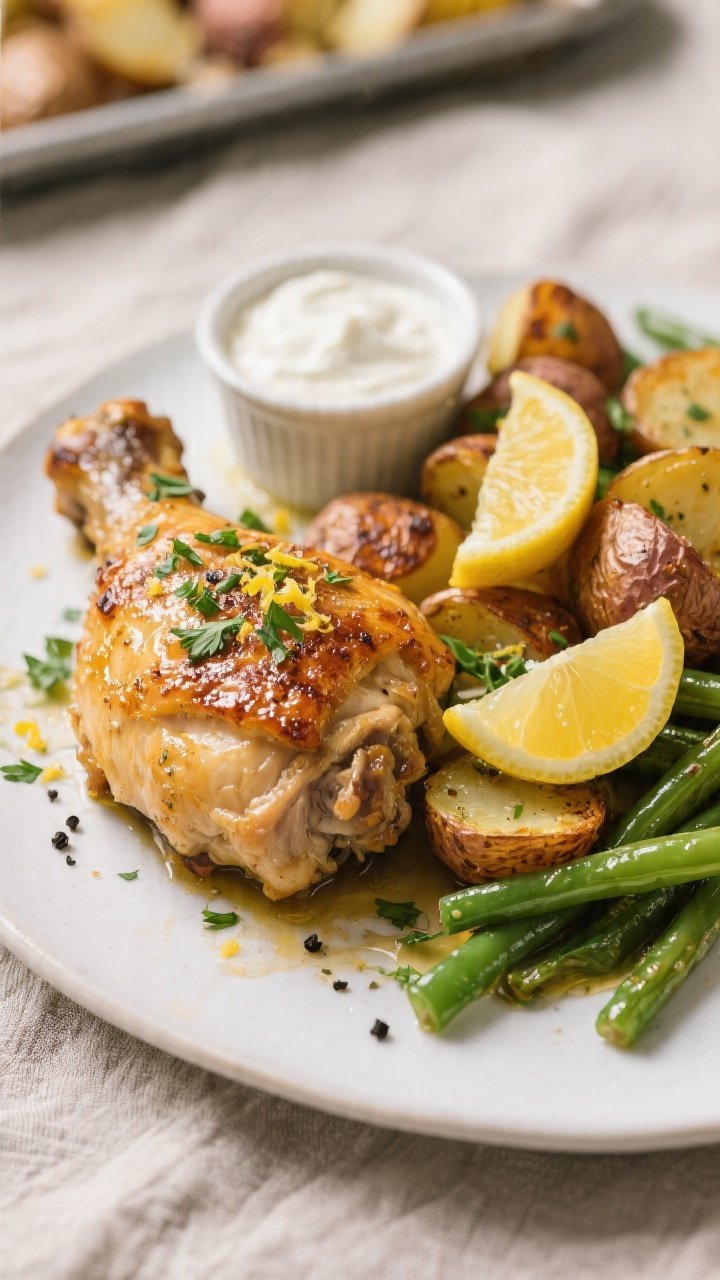
- Lemon Herb Chicken: Chicken thighs, baby potatoes, green beans. Season with olive oil, garlic, Italian seasoning, lemon zest, and a squeeze of juice at the end.
- Smoky Sausage and Veg: Smoked sausage rounds, peppers, red onion, and sweet potatoes. Toss with smoked paprika, garlic powder, and a touch of honey.
- Maple Dijon Salmon: Salmon fillets, Brussels sprouts, and carrots. Glaze with Dijon, maple syrup, soy sauce, and black pepper.
- Spiced Shrimp Tacos: Shrimp, bell peppers, and red onion. Season with chili powder, cumin, and lime. Serve with warm tortillas and a quick lime-yogurt crema.
- Crispy Tofu and Broccoli: Extra-firm tofu (pressed), broccoli, and carrots. Toss with soy sauce, sesame oil, garlic, and a sprinkle of cornstarch for crunch.
- Mediterranean Veggie Mix: Cauliflower, zucchini, cherry tomatoes, and red onion with chickpeas. Season with oregano, garlic, and olive oil; finish with feta and parsley.
FAQ
How do I keep chicken breasts from drying out?
Pound them to an even thickness, season well, and roast at a high temp for a shorter time.
Pull them at 160°F; carryover heat brings them to 165°F. A quick marinade with oil, acid, and salt also helps.
Can I cook protein and veggies on the same pan?
Yes, but manage timing. Start heartier vegetables first and add faster-cooking proteins later.
Keep raw chicken away from finished items, and use a clean plate for serving.
Do I need a rack on the sheet pan?
Not usually. Direct contact with the pan helps with browning. A rack can help extra-fatty meats, but it’s optional for most sheet pan meals.
What oil is best for roasting?
Use oils with higher smoke points like olive oil (regular, not extra-virgin for very high heat) or avocado oil.
They help with crisping and add flavor without burning.
How do I make it spicy without overpowering?
Add heat in layers: a pinch of chili flakes in the seasoning, then a drizzle of sriracha or hot honey after roasting. You control the final kick at the table.
What if my veggies are burning but protein isn’t done?
Stir the veggies, move them to the edges, and tent the protein lightly with foil. You can also lower the oven to 400°F for the last stretch.
Can I make a vegetarian sheet pan dinner filling enough?
Absolutely.
Use tofu or chickpeas for protein, add hearty vegetables like sweet potatoes or cauliflower, and include a finishing sauce or cheese for richness.
In Conclusion
Sheet pan dinners make home cooking practical, flavorful, and low-stress. With a hot oven, good seasoning, and smart timing, you can pull off a complete meal using just one pan. Keep the basics on hand, swap in what you like, and finish with a fresh hit of lemon or herbs.
It’s the kind of cooking that fits real life—and tastes like you had all the time in the world.
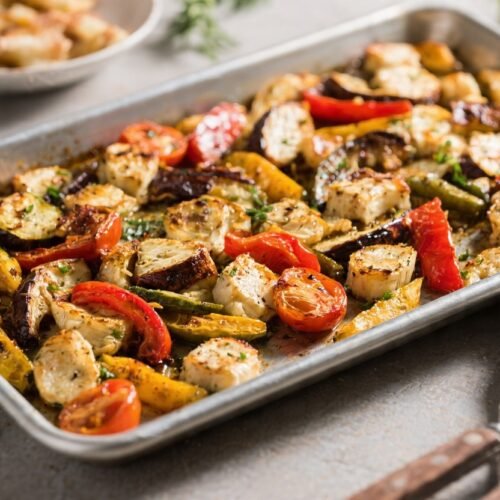
Sheet Pan Dinner Recipes - Easy, Flavorful Meals With Minimal Cleanup
Ingredients
- Proteins: Chicken thighs or breasts, salmon fillets, shrimp, firm tofu, smoked sausage
- Vegetables: Broccoli, Brussels sprouts, green beans, bell peppers, red onion, cherry tomatoes, carrots, zucchini, sweet potatoes, baby potatoes, cauliflower
- Flavor base: Olive oil or avocado oil, garlic (fresh or powder), onion powder, smoked paprika, Italian seasoning, chili powder, cumin
- Acids and sweeteners: Lemon or lime, balsamic vinegar, honey or maple syrup
- Fresh herbs: Parsley, cilantro, dill, or thyme (optional but great)
- Starches (optional): Pre-cooked rice, couscous, naan, crusty bread, or tortillas
- Extras: Feta or Parmesan, yogurt or sour cream for sauces, Dijon mustard, soy sauce, sriracha, sesame seeds
- Salt and pepper: Kosher salt and freshly ground black pepper
- Nonstick help: Parchment paper or foil for lining
Instructions
- Heat the oven hot: Preheat to 425°F (220°C). A hot oven is key to browned, crispy edges and juicy proteins.
- Line the pan: Use a rimmed sheet pan. Line it with parchment for easy cleanup and less sticking.
- Cut veggies smart: Chop hearty vegetables (potatoes, carrots, Brussels sprouts) into smaller pieces, and keep tender ones (zucchini, peppers) slightly larger. Even sizes roast evenly.
- Dry everything: Pat proteins and vegetables dry with paper towels. Dry surfaces brown better and don’t steam.
- Season generously: Toss ingredients with oil, salt, pepper, and your spice blend. Think smoked paprika + garlic for warmth, or Italian seasoning + lemon for brightness.
- Stagger if needed: Start roasting hearty veg first for 10–15 minutes. Then add quick-cooking items like shrimp, salmon, or zucchini so nothing overcooks.
- Space it out: Spread everything in a single layer with some gaps. Overcrowding leads to steaming. Use two pans if needed.
- Roast to doneness: Chicken thighs: 25–35 minutes, internal temp 165°F (74°C)
- Chicken breasts: 18–25 minutes, depending on thickness
- Salmon: 10–14 minutes, just opaque and flaky
- Shrimp: 6–10 minutes, pink and firm
- Tofu: 25–30 minutes, turning once for crisp edges
- Hearty veg: 20–30 minutes; tender veg: 10–15 minutes
- Add a finish: Squeeze fresh lemon, scatter chopped herbs, drizzle with balsamic or a quick yogurt sauce. Small touches make it taste restaurant-level.
- Serve simply: Plate as is, or pair with rice, couscous, or warm bread to catch the juices.