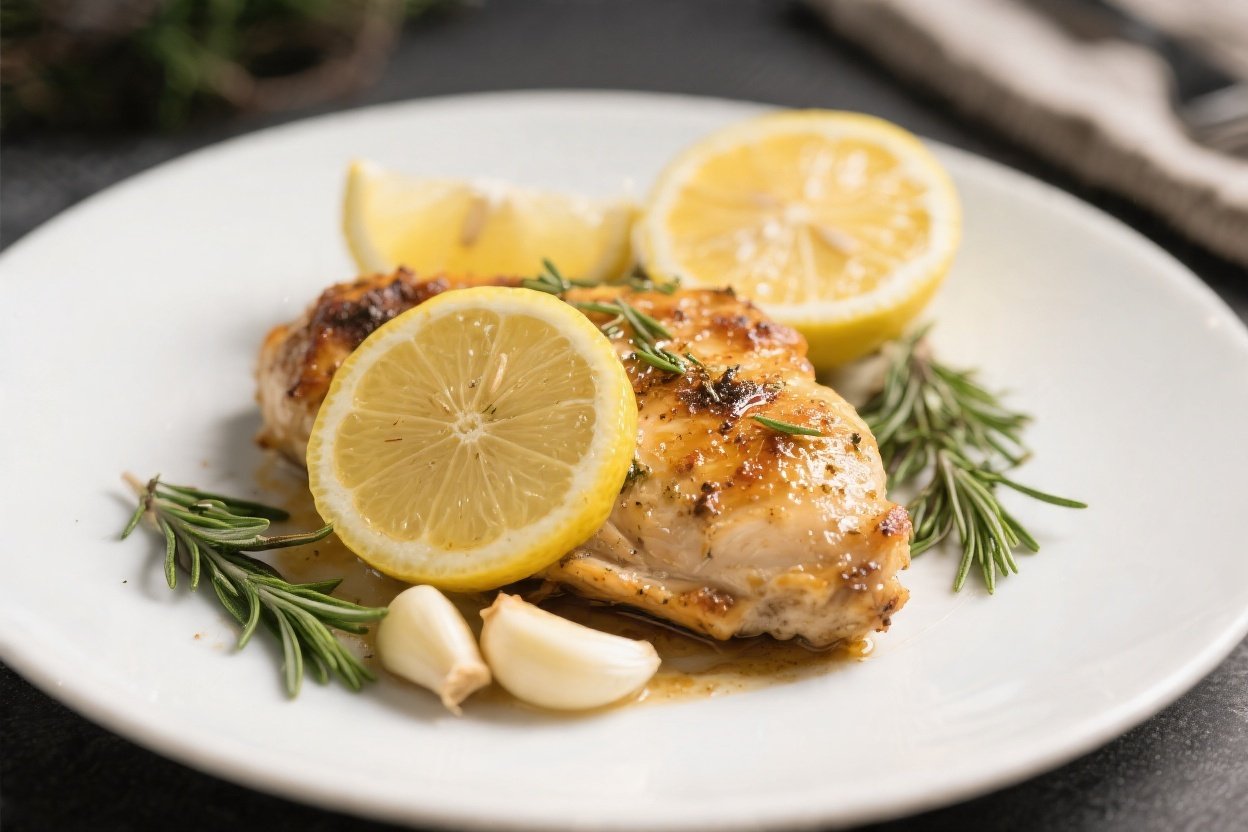
This Lemon Garlic Rosemary Chicken brings together fresh citrus, warm garlic, and earthy herbs for a meal that tastes like sunshine in a skillet. It’s simple enough for a weeknight but polished enough for guests. The flavor is bold without being fussy, and the method is straightforward.
You’ll get juicy chicken, golden edges, and a glossy pan sauce that begs for crusty bread or fluffy rice. Let’s make something that smells amazing and tastes even better.
What Makes This Special
This recipe leans on a short list of fresh ingredients that pack a punch. Lemon brightens everything, garlic adds depth, and rosemary brings a cozy, woodsy aroma.
A quick sear locks in juices, and a brief roast finishes the job with tender, flavorful results. The pan sauce is quick to build and tastes like a restaurant dish without any complicated steps.
It’s also flexible. Use thighs or breasts, bone-in or boneless, stovetop or oven.
You can make it ahead, scale it for a crowd, or cook it for two. Best of all, it delivers maximum flavor with minimal effort.
Ingredients
- 2 pounds chicken thighs or breasts (boneless, skin-on or skinless; see tips below)
- 2 large lemons (zest of 1, juice of both; reserve a few slices for garnish)
- 6 cloves garlic, minced (or thinly sliced for a milder bite)
- 2 tablespoons fresh rosemary, finely chopped (plus extra sprigs for garnish)
- 1 teaspoon dried oregano (optional, for extra warmth)
- 1/2 teaspoon red pepper flakes (optional, for a subtle kick)
- 1/3 cup extra-virgin olive oil
- 1/2 cup low-sodium chicken broth (or dry white wine)
- 1 tablespoon honey (or maple syrup) to balance the lemon
- 1 tablespoon Dijon mustard (optional, for body in the sauce)
- Kosher salt and freshly ground black pepper
- 1 tablespoon unsalted butter (to finish the sauce)
- Fresh parsley, chopped (for serving)
Step-by-Step Instructions
- Prep the chicken: Pat the chicken dry with paper towels. This helps browning. Season both sides generously with salt and pepper. If using skin-on pieces, season under the skin too.
- Make the marinade: In a bowl, whisk together olive oil, lemon zest, lemon juice, garlic, rosemary, oregano, red pepper flakes (if using), and honey. If you like a creamier, slightly tangy sauce, whisk in the Dijon.
- Marinate briefly: Add chicken to the bowl or a zip-top bag and toss to coat. Let it sit for 20–30 minutes at room temperature, or up to 4 hours in the fridge. Don’t go overnight; too much acid can toughen the meat.
- Preheat and set up: Heat your oven to 400°F (200°C). Place a large oven-safe skillet over medium-high heat. If your chicken is very wet, shake off excess marinade (reserve it for the pan).
- Sear for color: Add a slick of olive oil to the hot pan. Lay the chicken in without crowding. Sear 3–4 minutes per side until lightly golden. Skin-on pieces should go in skin-side down first. Remove chicken to a plate.
- Build the pan base: Lower the heat to medium. Pour in any remaining marinade and let it sizzle for 30 seconds, scraping up brown bits. Add the chicken broth (or wine) and simmer for 1–2 minutes to reduce slightly.
- Roast to finish: Return the chicken and any juices to the skillet. Nestle in a few lemon slices and rosemary sprigs. Transfer the pan to the oven. Roast 10–15 minutes for boneless pieces, 18–25 minutes for bone-in, or until the thickest part reaches 165°F (74°C).
- Rest and finish the sauce: Move the chicken to a plate and tent loosely with foil for 5 minutes. Meanwhile, place the skillet back over medium heat. Swirl in the butter and simmer 1–2 minutes until glossy and slightly thickened. Taste and adjust with a pinch of salt, extra lemon, or a drizzle more honey if needed.
- Serve: Spoon the sauce over the chicken and sprinkle with chopped parsley. Pair with roasted potatoes, rice, polenta, or a crisp green salad.
How to Store
- Refrigerate: Cool completely, then store chicken and sauce together in an airtight container for up to 4 days.
- Freeze: Freeze for up to 3 months. Thaw overnight in the fridge.
- Reheat: Warm gently in a covered skillet over low heat with a splash of broth or water until hot. Avoid high heat, which can dry out the meat.
- Meal prep tip: Keep the sauce slightly looser when storing; it thickens as it cools.
Health Benefits
- Lean protein: Chicken provides high-quality protein to support muscles and keep you full.
- Heart-friendly fats: Olive oil offers monounsaturated fats that can support heart health.
- Herbs and citrus: Rosemary and lemon bring antioxidants and bright flavor without extra calories.
- Lower sodium control: Using low-sodium broth and salting to taste keeps overall sodium in check.
- Balanced approach: The touch of honey rounds the acidity without packing in sugar. You can reduce or skip it if preferred.
Common Mistakes to Avoid
- Skipping the pat-dry step: Wet chicken won’t brown well and can steam instead of sear.
- Over-marinating in acid: Long, acidic marinades can make chicken mealy. Keep it under 4 hours.
- Crowding the pan: Overcrowding drops the pan temperature and prevents browning. Work in batches if needed.
- Undercooking or overcooking: Use an instant-read thermometer. Pull at 165°F and rest so juices redistribute.
- Forgetting to taste the sauce: A quick adjustment—more lemon, a pinch of salt, or a drizzle of honey—can make the dish sing.
Variations You Can Try
- Sheet pan version: Toss chicken and marinade with halved baby potatoes and red onion wedges. Roast at 425°F until the chicken is done and the potatoes are tender.
- Air fryer twist: Marinate as directed. Air fry at 375°F, 14–18 minutes depending on thickness, flipping once. Warm the marinade with broth on the stove for a quick sauce.
- Creamy lemon sauce: After roasting, add 1/4 cup cream to the pan with the butter for a silky finish. Great over pasta.
- Herb swap: Try thyme or a mix of rosemary and sage for a different herbal note.
- Grilled option: Grill over medium-high heat, 5–7 minutes per side. Reduce the marinade with broth in a small pan on the stove for serving.
- Mediterranean-style: Add capers and olives to the pan before roasting for a briny pop.
FAQ
Can I use chicken breasts instead of thighs?
Yes. Breasts cook a bit faster and can dry out if overcooked. Pound them to even thickness, sear quickly, and check for doneness early.
Pull at 165°F and rest.
Is dried rosemary okay?
It works in a pinch, but use less because it’s potent. Start with 1 to 1 1/2 teaspoons dried rosemary and crush it between your fingers to release flavor.
What can I use instead of honey?
Maple syrup or a pinch of sugar both help balance the lemon. If you prefer no sweetener, reduce the lemon juice slightly and rely on butter for roundness.
Do I have to use the oven?
No.
You can cook entirely on the stovetop. After searing, lower the heat, cover, and cook until done, then finish the sauce uncovered to reduce slightly.
How do I keep the garlic from burning?
Keep the heat moderate once the garlic hits the pan and add liquid soon after. Searing first, then building the sauce, helps protect the garlic from scorching.
What sides go best with this dish?
Roasted potatoes, rice pilaf, or orzo are great.
For lighter options, try steamed green beans, sautéed spinach, or a lemony arugula salad.
Can I make this ahead?
Yes. Marinate up to 4 hours ahead, then cook. The finished dish reheats well over low heat with a splash of broth to loosen the sauce.
Is white wine necessary?
No.
Low-sodium chicken broth works perfectly. Wine adds a bit of complexity, but broth keeps it family-friendly and just as tasty.
In Conclusion
Lemon Garlic Rosemary Chicken is the kind of recipe you’ll keep on repeat. It’s bright, savory, and comforting all at once, with a short ingredient list that delivers big flavor.
The method is simple, the cleanup is easy, and the leftovers taste even better the next day. Whether you’re cooking for yourself or feeding a crowd, this dish brings freshness and warmth to the table every time.
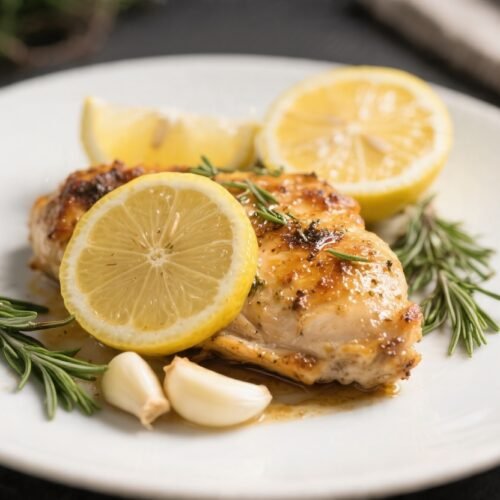
Lemon Garlic Rosemary Chicken - Bright, Savory, and Comforting
Ingredients
- 2 pounds chicken thighs or breasts (boneless, skin-on or skinless; see tips below)
- 2 large lemons (zest of 1, juice of both; reserve a few slices for garnish)
- 6 cloves garlic, minced (or thinly sliced for a milder bite)
- 2 tablespoons fresh rosemary, finely chopped (plus extra sprigs for garnish)
- 1 teaspoon dried oregano (optional, for extra warmth)
- 1/2 teaspoon red pepper flakes (optional, for a subtle kick)
- 1/3 cup extra-virgin olive oil
- 1/2 cup low-sodium chicken broth (or dry white wine)
- 1 tablespoon honey (or maple syrup) to balance the lemon
- 1 tablespoon Dijon mustard (optional, for body in the sauce)
- Kosher salt and freshly ground black pepper
- 1 tablespoon unsalted butter (to finish the sauce)
- Fresh parsley, chopped (for serving)
Instructions
- Prep the chicken: Pat the chicken dry with paper towels. This helps browning. Season both sides generously with salt and pepper. If using skin-on pieces, season under the skin too.
- Make the marinade: In a bowl, whisk together olive oil, lemon zest, lemon juice, garlic, rosemary, oregano, red pepper flakes (if using), and honey. If you like a creamier, slightly tangy sauce, whisk in the Dijon.
- Marinate briefly: Add chicken to the bowl or a zip-top bag and toss to coat. Let it sit for 20–30 minutes at room temperature, or up to 4 hours in the fridge. Don’t go overnight; too much acid can toughen the meat.
- Preheat and set up: Heat your oven to 400°F (200°C). Place a large oven-safe skillet over medium-high heat. If your chicken is very wet, shake off excess marinade (reserve it for the pan).
- Sear for color: Add a slick of olive oil to the hot pan. Lay the chicken in without crowding. Sear 3–4 minutes per side until lightly golden. Skin-on pieces should go in skin-side down first. Remove chicken to a plate.
- Build the pan base: Lower the heat to medium. Pour in any remaining marinade and let it sizzle for 30 seconds, scraping up brown bits. Add the chicken broth (or wine) and simmer for 1–2 minutes to reduce slightly.
- Roast to finish: Return the chicken and any juices to the skillet. Nestle in a few lemon slices and rosemary sprigs. Transfer the pan to the oven. Roast 10–15 minutes for boneless pieces, 18–25 minutes for bone-in, or until the thickest part reaches 165°F (74°C).
- Rest and finish the sauce: Move the chicken to a plate and tent loosely with foil for 5 minutes. Meanwhile, place the skillet back over medium heat. Swirl in the butter and simmer 1–2 minutes until glossy and slightly thickened. Taste and adjust with a pinch of salt, extra lemon, or a drizzle more honey if needed.
- Serve: Spoon the sauce over the chicken and sprinkle with chopped parsley. Pair with roasted potatoes, rice, polenta, or a crisp green salad.