
Your Personal Guide to Smarter Eating
Eating well doesn’t have to be complicated but with so many diets out there, it’s easy to feel lost. Keto, Low-Carb, Intermittent Fasting… they all promise results, but which one actually fits your life? That’s what this page is for. Start by finding out how many calories your body needs, then explore our guides to figure out what works for you —and grab the free e-book while you’re at it.

Real Food, Real Results
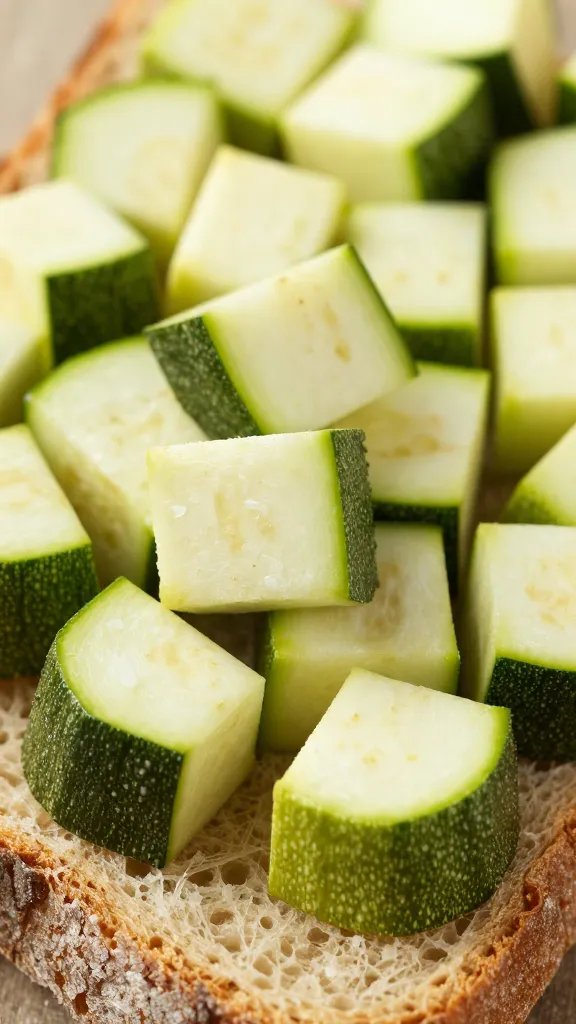
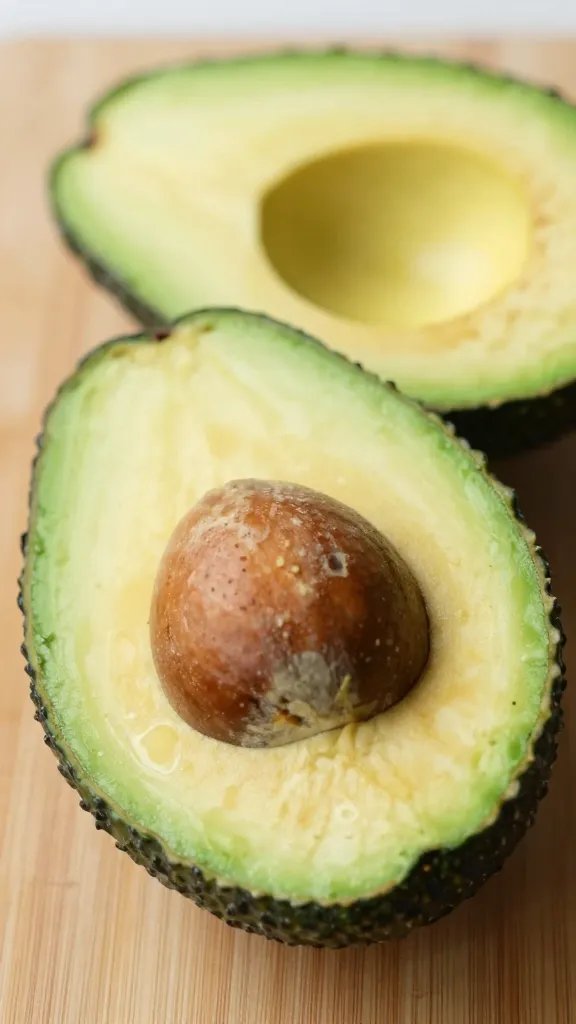
The best nutrition plan isn’t built on supplements or complicated rules — it starts with real, whole ingredients. Tomatoes packed with antioxidants, zucchini low in carbs and high in fibre, avocado full of healthy fats that keep you full for hours. These are the building blocks that power every diet on this page, whether you’re going Keto, Low-Carb, or simply trying to eat a little cleaner.

Get our FREE Mediterranean Cook Book!
Find Out How Many Calories You Need
Not sure where to start? Plug in your details below and get your personal daily calorie estimate in seconds. It’s based on the Harris-Benedict equation — the same method used by nutritionists worldwide.
What Your Calorie Result Actually Means
The number you see above is your estimated TDEE — your Total Daily Energy Expenditure. In plain terms, it’s how many calories your body burns in a full day when you factor in your age, weight, height, and how active you are. Think of it as your personal energy baseline.
This calculator uses the Harris-Benedict equation, one of the most trusted formulas in nutrition science and the same method used by dietitians and health professionals around the world. It’s not a magic number, but it’s the best starting point you have — and a good starting point makes all the difference.
So what do you do with it? That depends on your goal. If you want to lose weight, aim to eat roughly 300–500 calories below your result. If you’re looking to build muscle, add about 200–300 calories on top. And if your goal is simply to feel better and maintain your current weight, try to match it as closely as you can day to day.
Keep in mind that no calculator can account for everything. Your hormones, sleep quality, gut health, and muscle mass all play a role in how your body actually uses energy. That’s why we recommend treating your result as a starting point, not a rigid rule. Give it two to three weeks, see how your body responds, and adjust from there.
One more thing — calories are only part of the picture. Where those calories come from matters just as much as how many. A diet built around whole foods, lean proteins, healthy fats, and fibre-rich carbs will always outperform one that just hits the number on paper. That’s exactly what our free Nutrition Starter Guide is designed to help you with.
Still didn’t get our cook book?
Common Questions
If you need inspiration for some great meals…

Creamy Mushroom Risotto
Creamy mushroom risotto is the kind of dish that feels like a warm hug on…

Sausage and Peppers Pasta
If you love hearty pasta that doesn’t take all night, this Sausage and Peppers Pasta…

Meatball Subs
Few things beat a warm, saucy Meatball Sub when you’re craving pure comfort. Tender meatballs,…

Mushroom Spinach Scrambled Eggs
Scrambled eggs are already a breakfast classic, but add mushrooms and spinach and you’ve got…

Honey Sriracha Chicken Stir Fry
You know those nights when you want something bold and satisfying without spending an hour…

Cheesy Taco Pasta Skillet
Craving taco night but also want a cozy bowl of pasta? This skillet brings both…
