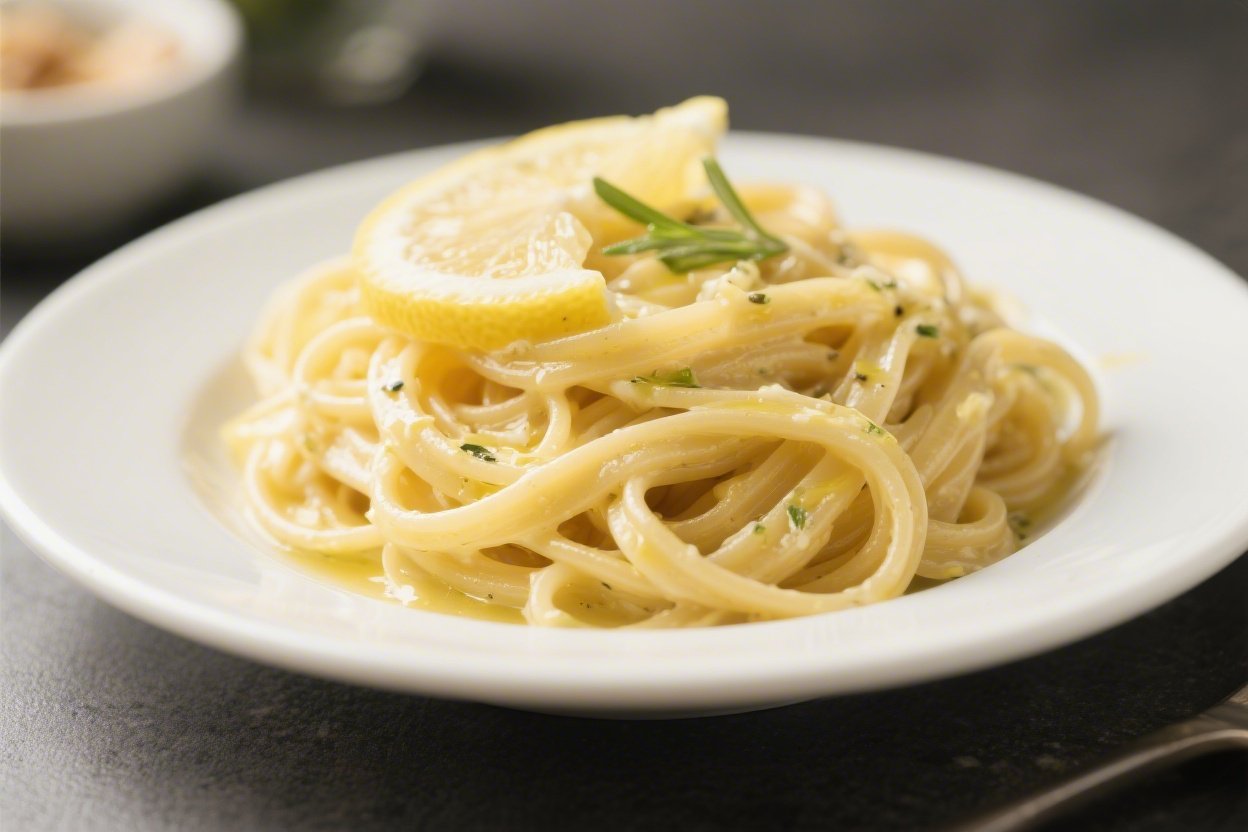
Lemon Butter Linguine is one of those recipes that feels special without trying too hard. It’s bright from fresh lemon, rich from butter, and silky from starchy pasta water. You can make it on a busy weeknight but still feel like you’re eating something you’d order at a cozy neighborhood bistro.
It’s fast, unfussy, and perfect on its own or topped with shrimp, chicken, or a handful of peas. If you love a simple pasta that tastes clean and balanced, this is it.
Why This Recipe Works
This dish leans on a short list of ingredients that pull their weight. Fresh lemon juice and zest bring acidity and aroma, which cut through the richness of butter.
Starchy pasta water emulsifies with melted butter to create a glossy, clingy sauce that coats every strand. A hint of garlic deepens the flavor without overpowering the lemon. Finished with Parmesan and a touch of olive oil, the sauce lands in that sweet spot: light but satisfying.
Shopping List
- Linguine: About 12 ounces (340 g) for four modest servings.
- Unsalted butter: 6 tablespoons, cut into pieces.
- Extra-virgin olive oil: 1–2 tablespoons for richness and sheen.
- Lemons: 2 medium (you’ll use both zest and juice).
- Garlic: 2–3 cloves, finely minced or grated.
- Parmesan cheese: Freshly grated, about 3/4 cup, plus more for serving.
- Red pepper flakes: A pinch for gentle heat (optional).
- Fresh herbs: Parsley, basil, or chives for garnish (optional).
- Kosher salt and black pepper: For seasoning.
How to Make It
- Prep the lemon and garlic. Zest both lemons first, then juice them. You’ll want about 1/4 cup of juice. Mince or grate the garlic so it melts into the sauce.
- Boil the pasta. Bring a large pot of well-salted water to a rolling boil. Add the linguine and cook until just shy of al dente, stirring occasionally. Reserve at least 1 cup of pasta water before draining.
- Start the sauce base. In a large skillet over low heat, warm the olive oil. Add the garlic and cook gently for 30–60 seconds until fragrant, not browned. Add a pinch of red pepper flakes if using.
- Build the lemon-butter emulsion. Add half the butter to the skillet and swirl until just melted. Pour in 1/2 cup of hot pasta water and whisk or swirl to combine, forming a thin, glossy sauce. Stir in the lemon zest and half the lemon juice.
- Toss with pasta. Add the drained linguine straight to the skillet. Toss vigorously over low heat, adding the remaining butter a few pieces at a time until it melts and the sauce starts clinging to the noodles.
- Finish with cheese and adjust. Sprinkle in most of the Parmesan and toss to melt. Add more pasta water, a splash at a time, to keep the sauce silky. Taste and add more lemon juice, salt, or pepper as needed.
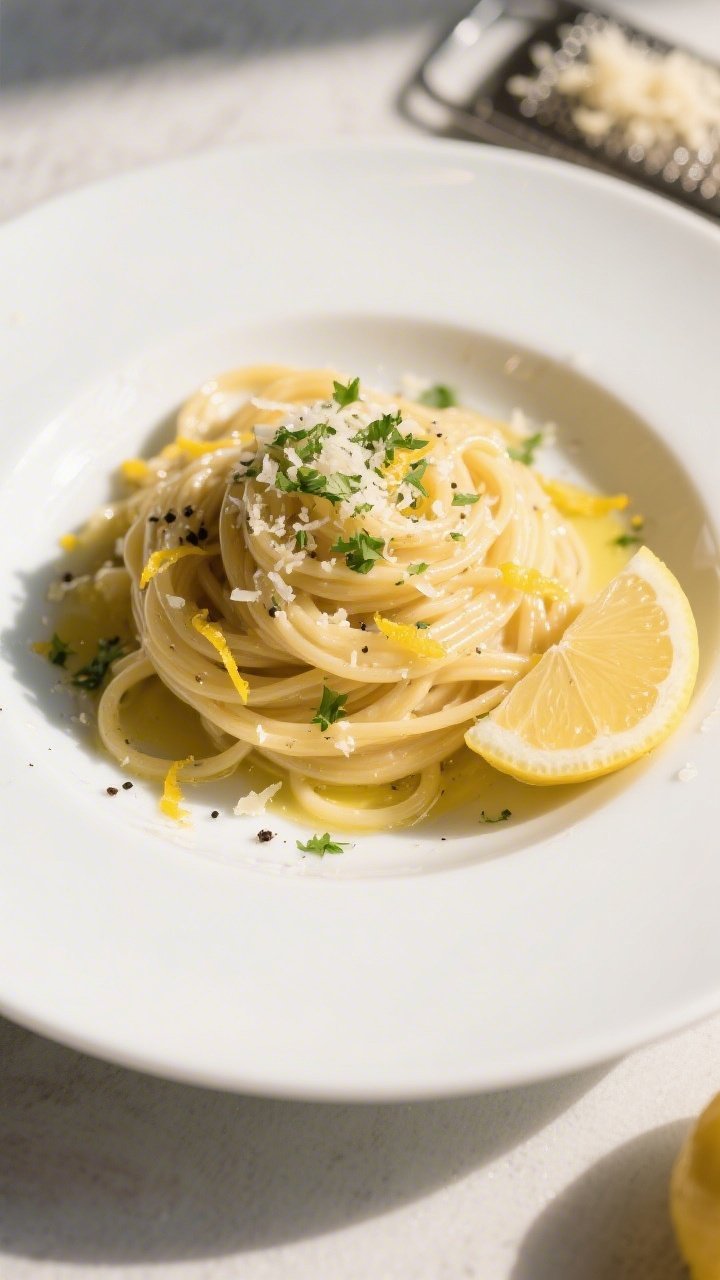
- Plate and garnish. Serve immediately with extra Parmesan, a drizzle of olive oil, and chopped parsley or basil. A twist of black pepper on top is a nice touch.
Keeping It Fresh
Leftovers can be tricky with delicate sauces, but you can still enjoy them. Store the pasta in an airtight container in the fridge for up to 2 days.
To reheat, add a splash of water or broth to a skillet over low heat, then toss in the pasta and warm gently until loosened and glossy. Avoid the microwave if you can—gentle heat helps the sauce come back together.
Benefits of This Recipe
- Fast and reliable: From start to finish, you’re looking at about 20 minutes.
- Short, affordable ingredient list: Most items are pantry staples or easy to find.
- Balanced flavor: Lemon brightens, butter comforts, Parmesan ties it together.
- Flexible: Great with veggies, seafood, or grilled chicken. Also easy to make vegetarian.
- Beginner-friendly technique: Emulsifying with pasta water teaches a core pasta skill.
Common Mistakes to Avoid
- Skipping the pasta water: This starch is essential for a smooth, clingy sauce. Don’t drain without saving some.
- Overcooking the garlic: Brown garlic tastes bitter. Keep the heat low and move fast.
- Adding lemon too early: Lemon is delicate. Add most of the juice after the butter has emulsified to preserve brightness.
- Letting the sauce get too thick: If it looks tight or sticky, loosen with more hot pasta water.
- Using pre-shredded cheese: It doesn’t melt smoothly. Freshly grated Parmesan blends better.
Alternatives
- Protein boosts: Add sautéed shrimp, seared scallops, or shredded rotisserie chicken. Toss in during the final minute so they warm without overcooking.
- Vegetable add-ins: Peas, asparagus tips, spinach, or zucchini ribbons work beautifully. Blanch peas or asparagus in the pasta water during the last 2 minutes of boiling.
- Herb swaps: Try basil for sweetness, dill for a coastal vibe, or chives for a mild onion note.
- Cheese variations: Pecorino Romano will be saltier and sharper. Goat cheese adds tang and creaminess—whisk a little into the sauce off the heat.
- Pasta shapes: Spaghetti, fettuccine, or bucatini catch the sauce well. Short shapes like orecchiette or campanelle also work if that’s what you have.
- Dairy-light: Reduce butter by half and add a spoonful of olive oil for a lighter finish. For a creamy version, swirl in a splash of cream at the end.
FAQ
Can I make this without Parmesan?
Yes. The sauce will be lighter and more lemon-forward.
Add a pinch more salt and an extra tablespoon of butter or olive oil to round out the flavor, or use a dairy-free Parmesan-style topping.
How do I prevent the sauce from separating?
Keep heat on low and add butter gradually while tossing with pasta water. The starch and gentle heat help the sauce emulsify. If it looks greasy, add a splash of hot pasta water and keep tossing.
What if my lemons are very tart?
Start with half the juice and taste as you go.
Balance sharp lemons with a touch more butter or a pinch of sugar. Fresh zest adds aroma without extra acidity, so lean on that if needed.
Can I use bottled lemon juice?
Fresh juice is best for brightness and aroma. Bottled juice can taste flat or sharp.
If you must use it, pair it with plenty of fresh zest to bring back the fresh lemon character.
Is this good for meal prep?
It’s best right after cooking, but you can prep parts ahead: zest and juice lemons, mince garlic, grate cheese, and portion butter. Cook the pasta and finish the sauce just before serving for the best texture.
How salty should the pasta water be?
Aim for water that tastes like the sea. This is your main baseline seasoning.
Because Parmesan is salty too, taste the finished dish before adding extra salt.
Can I add capers or anchovies?
Absolutely. A teaspoon of minced anchovies or a tablespoon of capers adds savory depth. Warm them with the garlic in oil at the start so they melt into the sauce.
Final Thoughts
Lemon Butter Linguine proves that simple ingredients can deliver big flavor.
With good lemons, quality butter, and a handful of pantry staples, you get a silky, balanced pasta that feels elegant without effort. Make it as written for a quick, satisfying meal, or treat it as a base to build on with veggies or seafood. Either way, it’s a recipe worth keeping in your back pocket for nights when you want comfort with a fresh, bright edge.
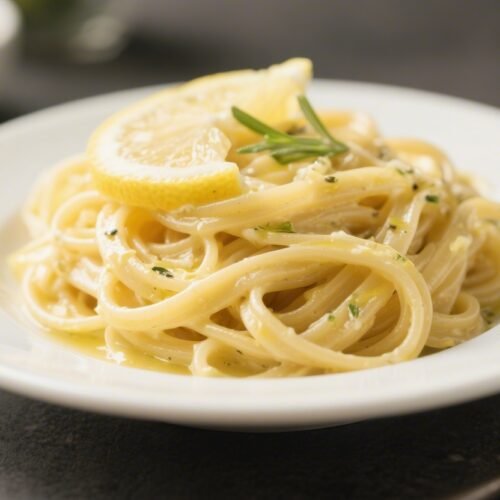
Lemon Butter Linguine - Bright, Silky, and Comforting
Ingredients
- Linguine: About 12 ounces (340 g) for four modest servings.
- Unsalted butter: 6 tablespoons, cut into pieces.
- Extra-virgin olive oil: 1–2 tablespoons for richness and sheen.
- Lemons: 2 medium (you’ll use both zest and juice).
- Garlic: 2–3 cloves, finely minced or grated.
- Parmesan cheese: Freshly grated, about 3/4 cup, plus more for serving.
- Red pepper flakes: A pinch for gentle heat (optional).
- Fresh herbs: Parsley, basil, or chives for garnish (optional).
- Kosher salt and black pepper: For seasoning.
Instructions
- Prep the lemon and garlic. Zest both lemons first, then juice them. You’ll want about 1/4 cup of juice. Mince or grate the garlic so it melts into the sauce.
- Boil the pasta. Bring a large pot of well-salted water to a rolling boil. Add the linguine and cook until just shy of al dente, stirring occasionally. Reserve at least 1 cup of pasta water before draining.
- Start the sauce base. In a large skillet over low heat, warm the olive oil. Add the garlic and cook gently for 30–60 seconds until fragrant, not browned. Add a pinch of red pepper flakes if using.
- Build the lemon-butter emulsion. Add half the butter to the skillet and swirl until just melted. Pour in 1/2 cup of hot pasta water and whisk or swirl to combine, forming a thin, glossy sauce. Stir in the lemon zest and half the lemon juice.
- Toss with pasta. Add the drained linguine straight to the skillet. Toss vigorously over low heat, adding the remaining butter a few pieces at a time until it melts and the sauce starts clinging to the noodles.
- Finish with cheese and adjust. Sprinkle in most of the Parmesan and toss to melt. Add more pasta water, a splash at a time, to keep the sauce silky. Taste and add more lemon juice, salt, or pepper as needed.
- Plate and garnish. Serve immediately with extra Parmesan, a drizzle of olive oil, and chopped parsley or basil. A twist of black pepper on top is a nice touch.