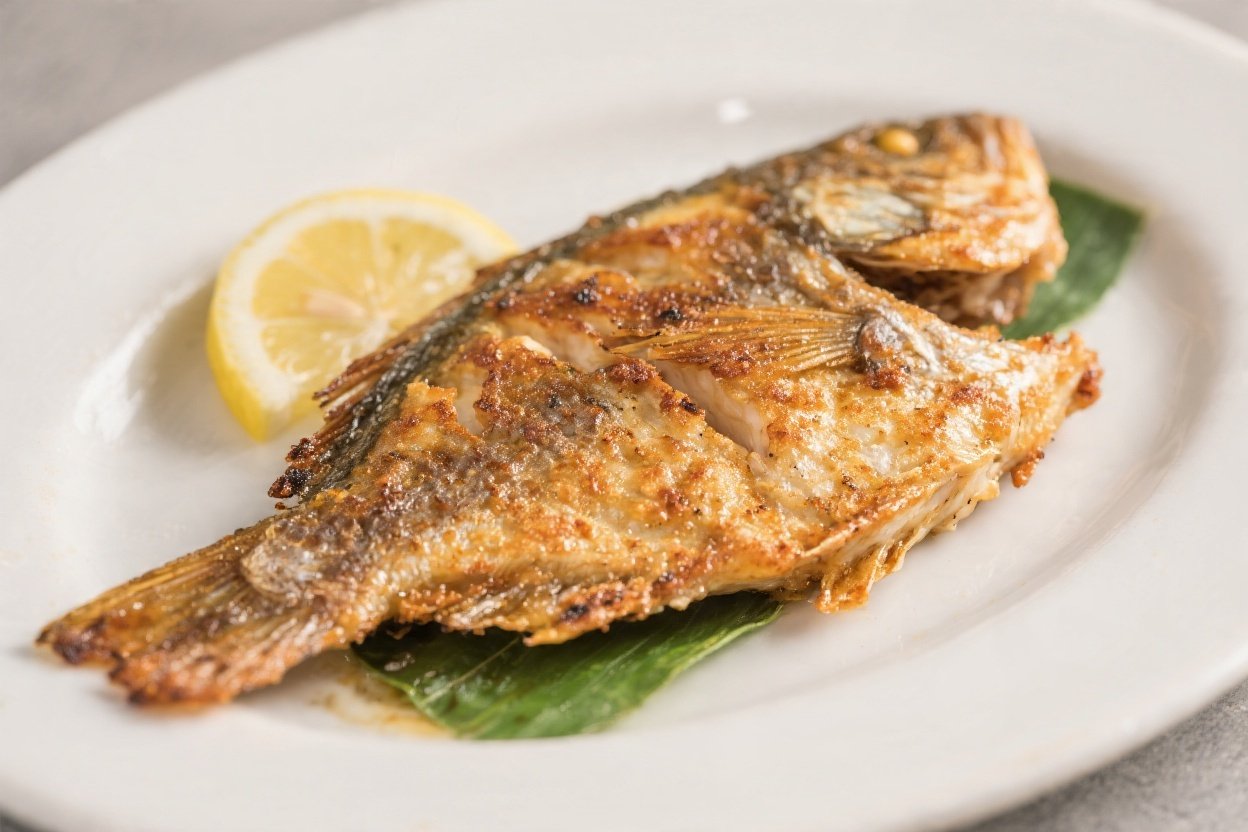
Pan fried tilapia is one of those weeknight heroes you’re always glad to have in your back pocket. It cooks fast, tastes clean, and goes with just about any side you have on hand. With a golden crust and a tender, flaky center, it feels special without any fuss.
You don’t need fancy ingredients or complicated steps—just good seasoning, a hot pan, and a few minutes of attention. If you’re new to cooking fish, this is a relaxed, reliable place to start.
Why This Recipe Works
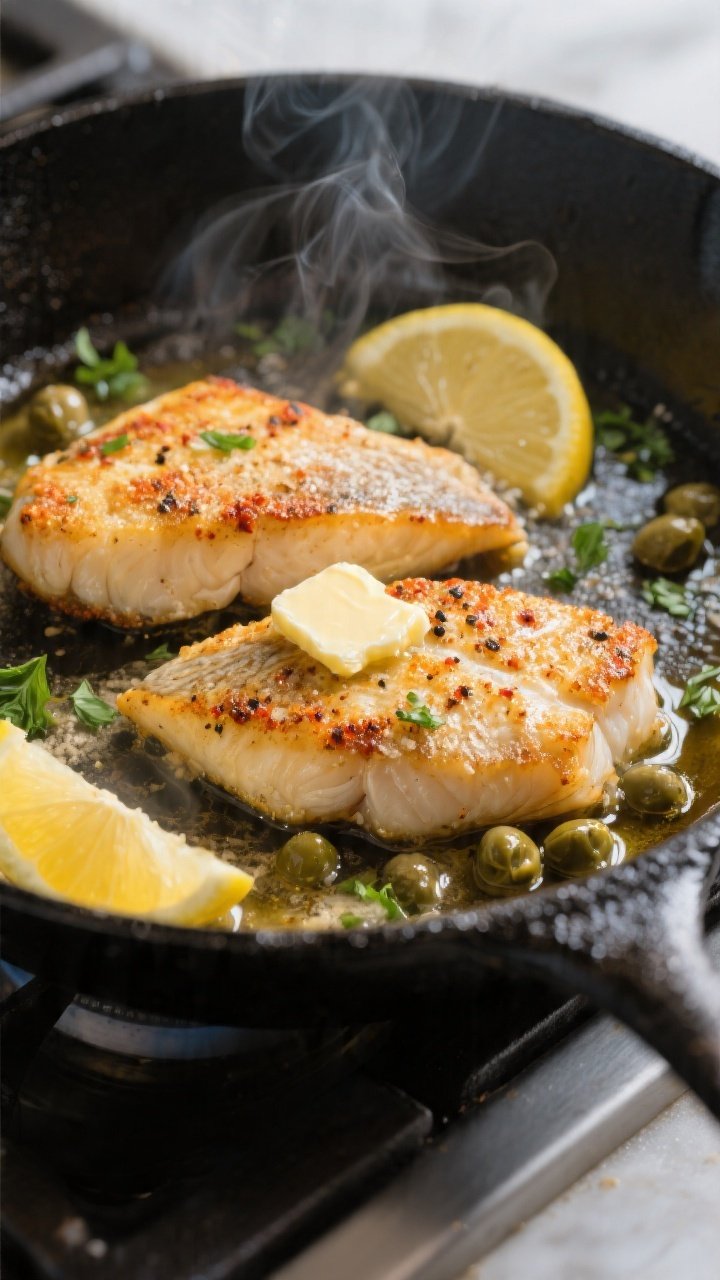
Thin fillets cook quickly, so dinner’s on the table in under 15 minutes. Tilapia has a mild flavor, which means it takes on seasonings beautifully without tasting fishy.
A light flour coating adds a crisp surface while keeping the inside moist. Cooking in a mix of butter and oil gives you great browning and buttery flavor without burning. A squeeze of lemon at the end wakes up all the flavors and keeps things bright.
Shopping List
- Tilapia fillets (4 small or 2 large, about 1 to 1.5 pounds total)
- All-purpose flour (for a light dredge)
- Salt (kosher or sea salt)
- Black pepper (freshly ground)
- Garlic powder
- Paprika (sweet or smoked)
- Olive oil (or another neutral oil like canola or avocado)
- Unsalted butter
- Lemon (cut into wedges)
- Fresh herbs (optional: parsley, dill, or chives)
Step-by-Step Instructions
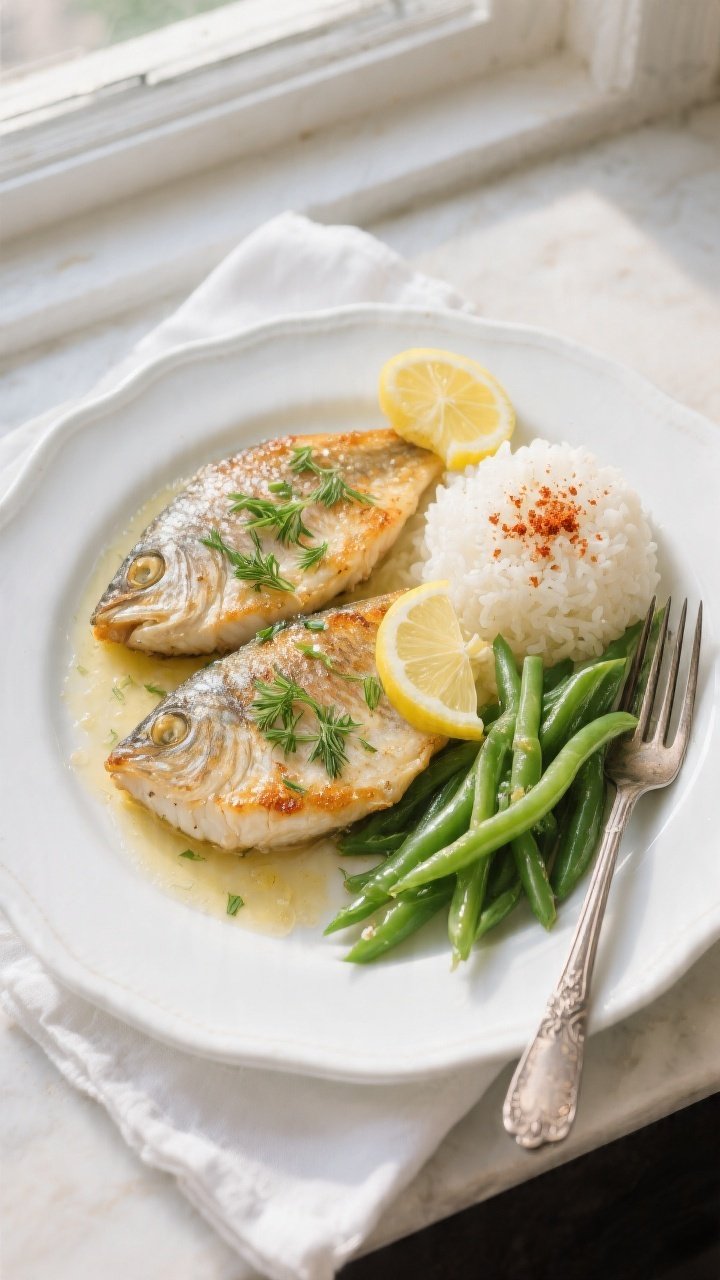
- Pat the fish dry. Take the tilapia out of the package and use paper towels to dry both sides. Removing surface moisture helps the flour stick and ensures the fish sears instead of steaming.
- Season generously. Sprinkle both sides with salt, black pepper, garlic powder, and paprika. Aim for even coverage so every bite tastes balanced.
- Prepare a light dredge. Add a thin layer of flour to a plate. Dredge each fillet lightly, shaking off the excess. You want a whisper-thin coating, not a thick crust.
- Heat the pan properly. Place a large skillet over medium to medium-high heat. Add 1–2 tablespoons of olive oil and 1 tablespoon of butter. When the butter melts and the mixture shimmers, the pan is ready.
- Lay the fish in the pan. Place fillets in the skillet away from you to avoid splatters. Don’t crowd the pan; cook in batches if needed. You should hear a gentle sizzle right away.
- Let it sear undisturbed. Cook the first side for 3–4 minutes, depending on thickness. Don’t poke or move the fish; this helps build a crisp, golden crust.
- Flip carefully. Use a thin spatula to flip the fillets. If they resist, give them another 30 seconds. Cook the second side for 2–3 minutes, until the fish flakes easily and turns opaque.
- Finish with lemon and herbs. Turn off the heat. Squeeze fresh lemon over the fish and scatter chopped parsley, dill, or chives on top for freshness.
- Serve right away. Tilapia is best hot from the pan. Pair it with rice, roasted vegetables, a simple salad, or buttery mashed potatoes.
Storage Instructions
Refrigerate leftovers in an airtight container for up to 2 days. To reheat, warm gently in a nonstick skillet over low heat with a small splash of oil to restore crispness. The microwave works in a pinch, but the crust will soften.
Avoid freezing cooked tilapia—it tends to get watery and loses its delicate texture. If you have raw tilapia you won’t cook within a day or two, wrap well and freeze for up to 3 months.
Benefits of This Recipe
- Fast and forgiving: Tilapia fillets cook quickly and are easy to flip, making this ideal for beginners.
- Light and versatile: Mild flavor that pairs with many cuisines, sauces, and sides.
- Budget-friendly: Tilapia is often more affordable than other fish and widely available.
- Balanced nutrition: High in protein, low in fat, and satisfying without feeling heavy.
- Minimal cleanup: One pan, simple ingredients, and very little prep.
What Not to Do
- Don’t skip drying the fish. Moisture prevents browning and leaves you with a pale, soggy crust.
- Don’t overcrowd the pan. Too many fillets drop the pan’s temperature and cause steaming, not searing.
- Don’t flip too early. If the fish sticks, it’s not ready. Wait until the crust forms and releases naturally.
- Don’t blast the heat. Excessively high heat burns the butter and coating before the inside cooks.
- Don’t over-season the flour. The fish is thin; heavy seasoning can overwhelm its delicate taste. Keep it balanced.
Variations You Can Try
- Lemon Pepper Tilapia: Swap paprika for extra black pepper and lemon zest. Finish with more lemon juice and a knob of butter.
- Cajun-Style: Use a Cajun or Creole seasoning blend. Add a pinch of cayenne for heat and serve with corn and slaw.
- Parmesan Crust: Mix equal parts flour and grated Parmesan for the dredge. It adds savory crunch and browns beautifully.
- Herb and Capers: After searing, toss in capers and a splash of white wine. Reduce briefly and spoon over the fish with fresh parsley.
- Garlic Butter: During the last minute, add minced garlic and an extra tablespoon of butter. Spoon the garlicky butter over the fillets.
- Gluten-Free: Use fine cornmeal, rice flour, or almond flour for the coating, or skip the dredge and just season and sear.
FAQ
How do I know when tilapia is done?
The flesh turns opaque and flakes easily with a fork.
An instant-read thermometer should read about 145°F in the thickest part. Most fillets cook in 5–7 minutes total.
Can I use frozen tilapia?
Yes, but thaw it completely in the fridge and pat it very dry before seasoning. Excess moisture is the enemy of a crisp crust.
What’s the best pan to use?
A nonstick or well-seasoned cast-iron skillet works best.
Stainless steel is fine if you let a good crust form before flipping and use enough oil.
Do I have to use flour?
No. You can cook it without dredging for a lighter result. The flour just adds a bit of crunch and helps with even browning.
Which oil is best for pan frying fish?
Use an oil with a moderate to high smoke point, like olive oil (not extra-virgin for very high heat), avocado oil, or canola.
Combining oil with butter gives flavor and stability.
Why does my fish stick to the pan?
Either the pan wasn’t hot enough, there wasn’t enough fat, or you tried to flip too soon. Wait until the crust forms and the fillet releases on its own.
What sides go well with pan fried tilapia?
Try steamed rice, couscous, roasted potatoes, sautéed green beans, asparagus, coleslaw, or a simple arugula salad with lemon vinaigrette.
Is tilapia healthy?
Tilapia is a lean protein source and low in saturated fat. Like any fish, its overall quality depends on sourcing and how you cook it—pan frying with a light coating keeps it relatively light.
In Conclusion
Pan fried tilapia proves that simple techniques can deliver big flavor.
With a few pantry spices, a quick dredge, and a hot skillet, you get crisp edges, a tender center, and dinner on the table in minutes. Keep the steps straightforward, finish with lemon and herbs, and serve it with your favorite sides. It’s an easy win on busy nights and a solid base for endless variations.
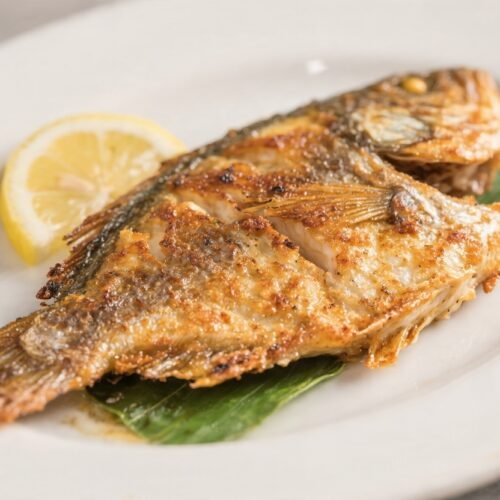
Pan Fried Tilapia - Crispy, Light, and Ready in Minutes
Ingredients
- Tilapia fillets (4 small or 2 large, about 1 to 1.5 pounds total)
- All-purpose flour (for a light dredge)
- Salt (kosher or sea salt)
- Black pepper (freshly ground)
- Garlic powder
- Paprika (sweet or smoked)
- Olive oil (or another neutral oil like canola or avocado)
- Unsalted butter
- Lemon (cut into wedges)
- Fresh herbs (optional: parsley, dill, or chives)
Instructions
- Pat the fish dry. Take the tilapia out of the package and use paper towels to dry both sides. Removing surface moisture helps the flour stick and ensures the fish sears instead of steaming.
- Season generously. Sprinkle both sides with salt, black pepper, garlic powder, and paprika. Aim for even coverage so every bite tastes balanced.
- Prepare a light dredge. Add a thin layer of flour to a plate. Dredge each fillet lightly, shaking off the excess. You want a whisper-thin coating, not a thick crust.
- Heat the pan properly. Place a large skillet over medium to medium-high heat. Add 1–2 tablespoons of olive oil and 1 tablespoon of butter. When the butter melts and the mixture shimmers, the pan is ready.
- Lay the fish in the pan. Place fillets in the skillet away from you to avoid splatters. Don’t crowd the pan; cook in batches if needed. You should hear a gentle sizzle right away.
- Let it sear undisturbed. Cook the first side for 3–4 minutes, depending on thickness. Don’t poke or move the fish; this helps build a crisp, golden crust.
- Flip carefully. Use a thin spatula to flip the fillets. If they resist, give them another 30 seconds. Cook the second side for 2–3 minutes, until the fish flakes easily and turns opaque.
- Finish with lemon and herbs. Turn off the heat. Squeeze fresh lemon over the fish and scatter chopped parsley, dill, or chives on top for freshness.
- Serve right away. Tilapia is best hot from the pan. Pair it with rice, roasted vegetables, a simple salad, or buttery mashed potatoes.