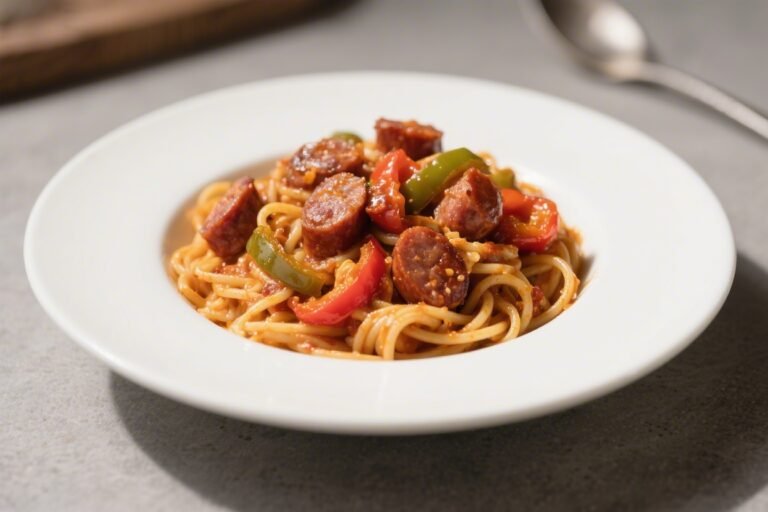
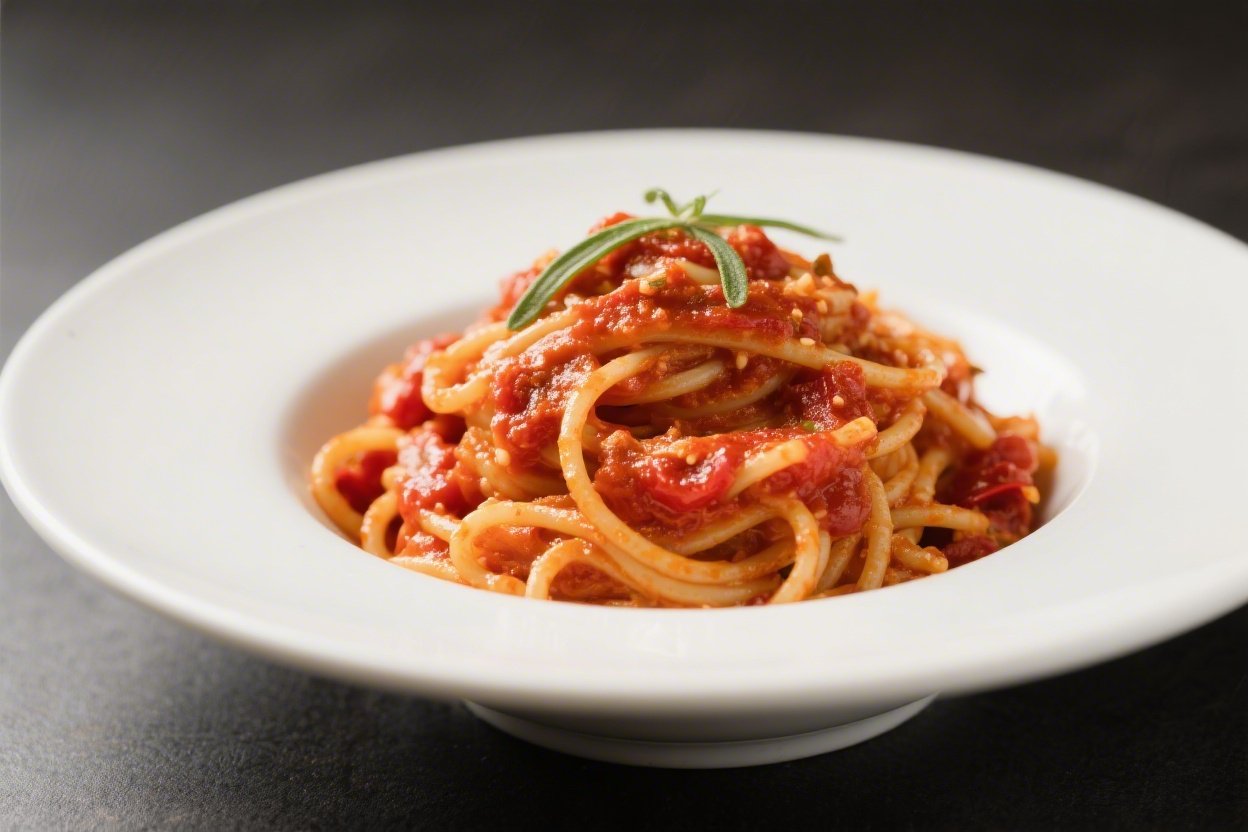
Arrabbiata is what you make when you want a bold pasta with real personality. It’s bright, garlicky, and unapologetically spicy, yet still simple enough for a weeknight. With a few pantry staples and a good splash of olive oil, you can have a sauce that tastes like it simmered all afternoon.
The name means “angry” in Italian, thanks to the heat from red pepper flakes, but you control how hot it gets. It’s satisfying, budget-friendly, and surprisingly elegant for something so fast.
What Makes This Special
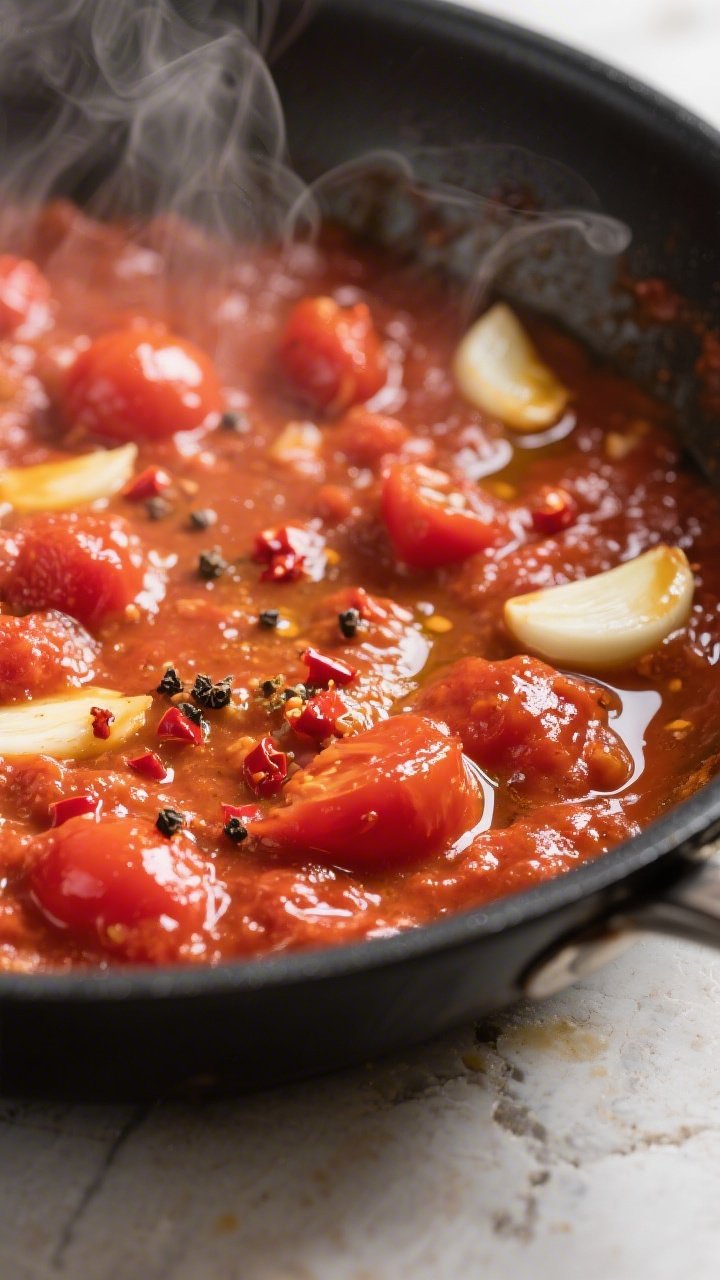
Arrabbiata is built on just a handful of ingredients, so each one counts. The sauce is a quick-cooked tomato base infused with lots of garlic, crushed red pepper, and good olive oil.
It’s bright and zippy instead of heavy, which makes it a great contrast to rich pastas. You can keep it vegetarian, or add protein without changing its soul. The real magic is the balance of heat, acidity, and sweetness from tomatoes—comforting and exciting at the same time.
Shopping List
- Pasta: 12 ounces penne, rigatoni, or spaghetti
- Olive oil: 3 tablespoons, extra-virgin preferred
- Garlic: 4–6 cloves, thinly sliced
- Crushed red pepper flakes: 1–2 teaspoons (adjust to taste)
- Tomatoes: 1 can (28 ounces) whole peeled or crushed San Marzano-style tomatoes
- Tomato paste: 1 tablespoon (optional, for richness)
- Salt and black pepper
- Sugar: A pinch, only if needed to balance acidity
- Fresh basil or parsley: A handful, chopped
- Parmesan or Pecorino Romano: For serving (optional)
- Pasta cooking water: Reserve 1 cup
- Lemon zest: 1/2 teaspoon (optional, for brightness)
How to Make It
- Salt and boil the pasta. Bring a large pot of water to a rolling boil. Salt it generously—your water should taste like the sea. Cook the pasta until just shy of al dente. Scoop out 1 cup of the pasta water before draining.
- Warm the oil and bloom the chili. In a wide skillet, heat olive oil over medium. Add the red pepper flakes and let them sizzle for 20–30 seconds to release their flavor. Don’t let them burn or they’ll taste harsh.
- Soften the garlic. Add the sliced garlic and cook gently until fragrant and just turning pale gold, about 1 minute. Keep the heat moderate to avoid browning.
- Add tomatoes and season. Crush the whole tomatoes by hand or with a spoon as you add them to the pan. Stir in tomato paste if using. Season with salt and a few grinds of black pepper.
- Simmer until thick and glossy. Let the sauce bubble on medium-low for 10–15 minutes, stirring occasionally. You want it thick enough to cling to pasta. Taste and adjust heat with more chili, and add a pinch of sugar only if the tomatoes are very sharp.
- Marry pasta and sauce. Add the drained pasta to the skillet with a splash of reserved pasta water. Toss over medium heat for 1–2 minutes until the sauce emulsifies and coats the noodles. Add more water as needed for a silky finish.
- Finish with herbs and zest. Stir in chopped basil or parsley and a touch of lemon zest if you like. Taste again for salt and heat.
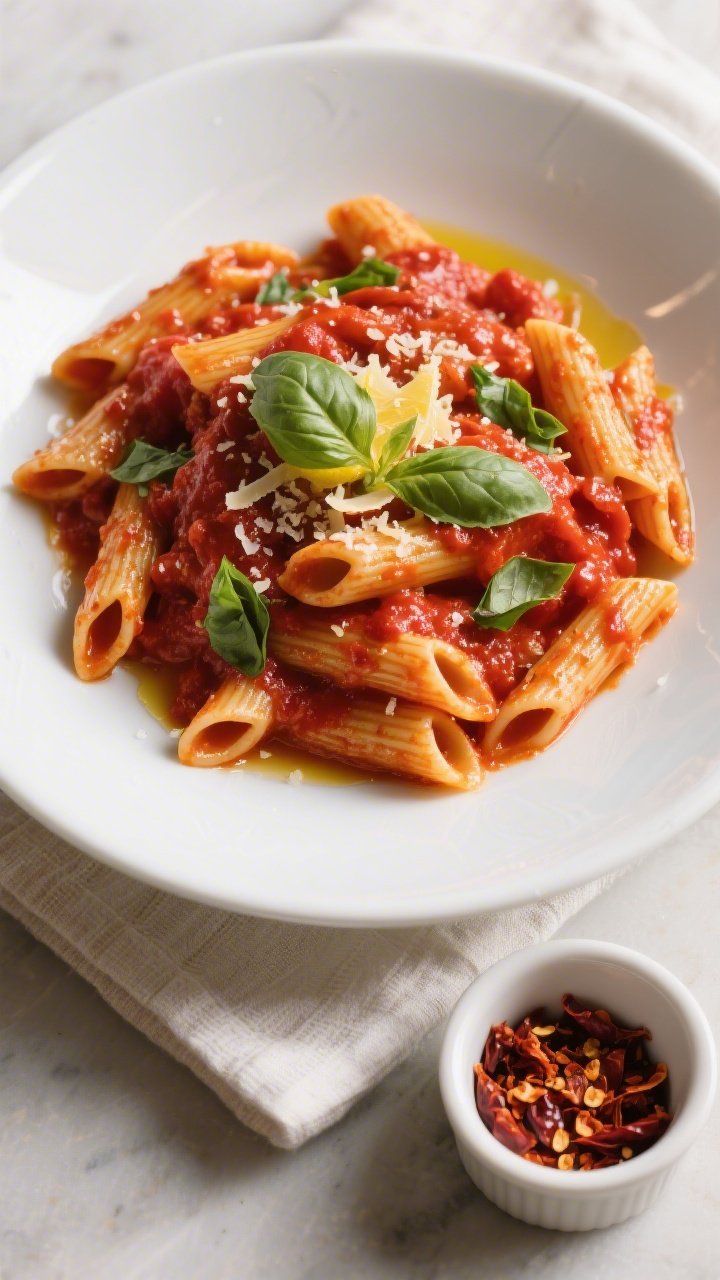
- Serve hot. Plate immediately with grated Parmesan or Pecorino if you’re not keeping it vegan. A drizzle of good olive oil on top is a nice final touch.
How to Store
Store leftover sauce and pasta separately if possible. The sauce keeps well in an airtight container in the fridge for up to 4 days, and it also freezes for up to 3 months. Pasta can be refrigerated for 2–3 days, though it’s best fresh. To reheat, warm the sauce in a skillet with a splash of water, then toss in the pasta until hot and glossy.
Health Benefits
- Tomatoes pack antioxidants. They’re rich in lycopene, which supports heart health and may reduce inflammation.
- Olive oil offers healthy fats. Extra-virgin olive oil contains monounsaturated fats and polyphenols that support cardiovascular health.
- Garlic brings more than flavor. It provides compounds like allicin that may support immune function.
- Chili flakes can boost metabolism. Capsaicin may help with satiety and metabolic rate.
- Balance is easy. Choose whole-grain pasta, add a side salad, or toss in chickpeas or grilled chicken for protein to round out the meal.
Common Mistakes to Avoid
- Burning the garlic or chili. High heat turns them bitter fast. Keep the pan moderate and move quickly.
- Skipping the simmer. A rushed sauce tastes thin and sharp. Give it 10–15 minutes to thicken and mellow.
- Under-salting the pasta water. This is your first chance to season the dish. Don’t be shy.
- Forgetting pasta water. The starchy liquid helps the sauce cling and creates a silky texture.
- Overcooking the pasta. Aim for al dente; the pasta will finish cooking in the sauce.
Variations You Can Try
- Smoky arrabbiata. Add a pinch of smoked paprika or use a little Calabrian chili paste for depth.
- Roasted garlic twist. Swap part of the fresh garlic for roasted cloves to add sweetness without losing the heat.
- Veggie boost. Stir in sautéed mushrooms, blistered cherry tomatoes, or wilted spinach at the end.
- Protein-plus. Add seared shrimp, grilled chicken, or crispy pancetta. For a plant-based option, try white beans or fried capers for briny crunch.
- Creamy finish. For a gentler heat, swirl in a spoonful of mascarpone or ricotta right before serving.
- Lemon-herb brightener. Finish with extra zest and lots of parsley for a fresher profile.
FAQ
How spicy should arrabbiata be?
It should be notably spicy but still balanced. Start with 1 teaspoon of red pepper flakes and increase to taste. If you overshoot, add a little more tomato, a splash of cream, or a knob of butter to soften the heat.
What’s the best pasta shape for arrabbiata?
Penne is classic because the tubes trap the sauce, but rigatoni, ziti, and spaghetti all work well.
Choose a shape with ridges or a surface that catches the thick sauce.
Can I use fresh tomatoes instead of canned?
Yes, especially in peak season. Blanch, peel, and crush about 2 pounds of ripe tomatoes. You may need to simmer longer to reduce excess water and build flavor.
Is cheese traditional with arrabbiata?
Traditionally, it’s often served without cheese to let the heat and garlic shine.
That said, many people enjoy a light dusting of Pecorino or Parmesan. It’s your bowl—choose what you like.
How do I make it gluten-free?
Use your favorite gluten-free pasta and follow the same method. Keep an eye on the cooking time since gluten-free pasta can go from firm to soft quickly.
Can I make the sauce ahead?
Absolutely.
The sauce tastes even better the next day. Reheat gently and thin with a splash of water or broth before tossing with fresh-cooked pasta.
What if my sauce tastes too acidic?
Simmer a bit longer to reduce and sweeten naturally. If it’s still sharp, add a pinch of sugar or a small knob of butter to round it out.
How do I get a glossy, restaurant-style finish?
Toss the pasta and sauce together in the pan with a bit of pasta water, stirring until the sauce emulsifies.
Finish with a drizzle of good olive oil right before serving.
In Conclusion
Spicy Arrabbiata Pasta proves that simple ingredients can deliver big flavor. With garlic, chili, tomatoes, and olive oil, you get a sauce that’s bold, bright, and weeknight-friendly. Tweak the heat, add your favorite extras, and make it your own.
Keep the technique simple, respect the simmer, and you’ll have a dish that never gets old.
Spicy Arrabbiata Pasta - A Bright, Fiery Weeknight Favorite
Ingredients
- Pasta: 12 ounces penne, rigatoni, or spaghetti
- Olive oil: 3 tablespoons, extra-virgin preferred
- Garlic: 4–6 cloves, thinly sliced
- Crushed red pepper flakes: 1–2 teaspoons (adjust to taste)
- Tomatoes: 1 can (28 ounces) whole peeled or crushed San Marzano-style tomatoes
- Tomato paste: 1 tablespoon (optional, for richness)
- Salt and black pepper
- Sugar: A pinch, only if needed to balance acidity
- Fresh basil or parsley: A handful, chopped
- Parmesan or Pecorino Romano: For serving (optional)
- Pasta cooking water: Reserve 1 cup
- Lemon zest: 1/2 teaspoon (optional, for brightness)
Instructions
- Salt and boil the pasta. Bring a large pot of water to a rolling boil. Salt it generously—your water should taste like the sea. Cook the pasta until just shy of al dente. Scoop out 1 cup of the pasta water before draining.
- Warm the oil and bloom the chili. In a wide skillet, heat olive oil over medium. Add the red pepper flakes and let them sizzle for 20–30 seconds to release their flavor. Don’t let them burn or they’ll taste harsh.
- Soften the garlic. Add the sliced garlic and cook gently until fragrant and just turning pale gold, about 1 minute. Keep the heat moderate to avoid browning.
- Add tomatoes and season. Crush the whole tomatoes by hand or with a spoon as you add them to the pan. Stir in tomato paste if using. Season with salt and a few grinds of black pepper.
- Simmer until thick and glossy. Let the sauce bubble on medium-low for 10–15 minutes, stirring occasionally. You want it thick enough to cling to pasta. Taste and adjust heat with more chili, and add a pinch of sugar only if the tomatoes are very sharp.
- Marry pasta and sauce. Add the drained pasta to the skillet with a splash of reserved pasta water. Toss over medium heat for 1–2 minutes until the sauce emulsifies and coats the noodles. Add more water as needed for a silky finish.
- Finish with herbs and zest. Stir in chopped basil or parsley and a touch of lemon zest if you like. Taste again for salt and heat.
- Serve hot. Plate immediately with grated Parmesan or Pecorino if you’re not keeping it vegan. A drizzle of good olive oil on top is a nice final touch.