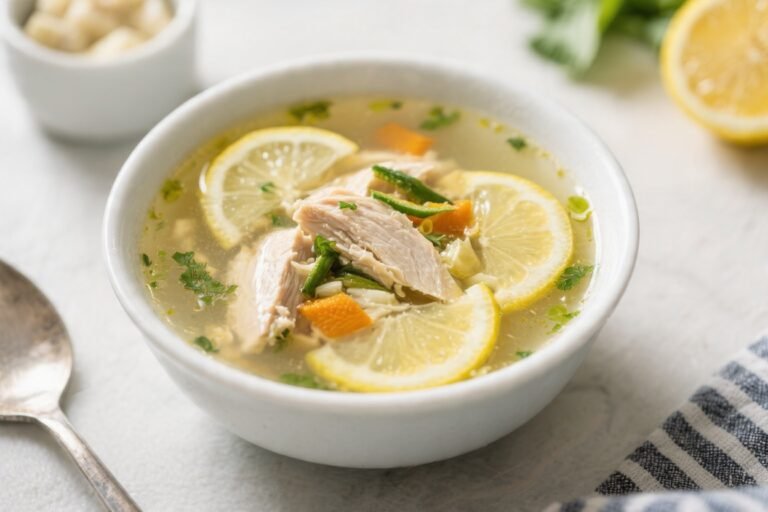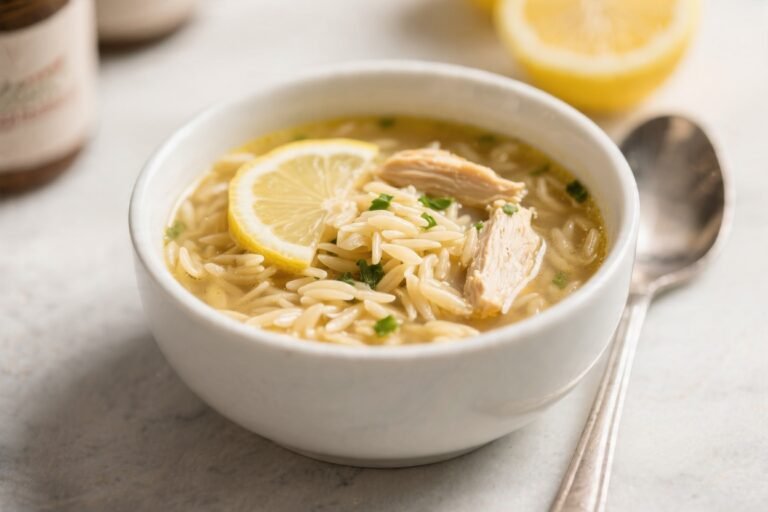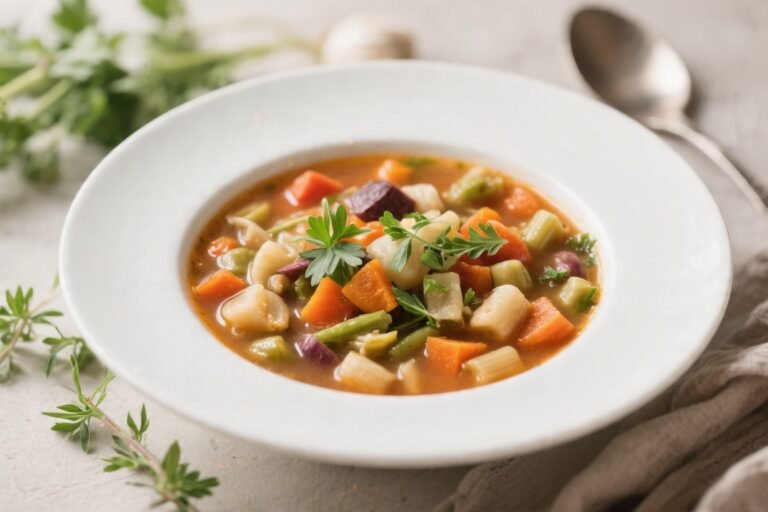
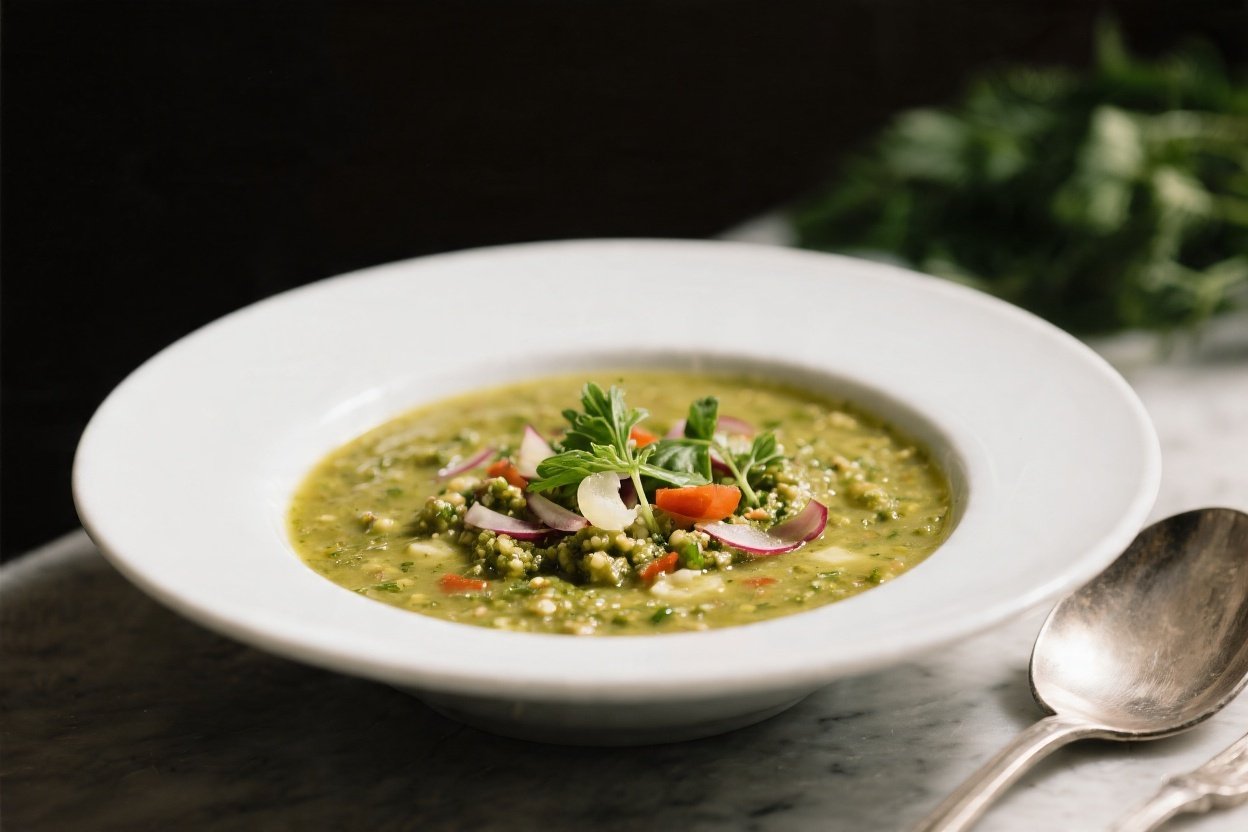
Spring in Provence tastes like sunshine in a bowl. French pistou soup is fresh, vibrant, and humble in the best way—loaded with tender vegetables, soft beans, small pasta, and a swirl of garlicky basil sauce. It’s simple to make, wildly aromatic, and deeply comforting without feeling heavy.
This is the kind of recipe you can riff on with what’s in season, yet it always feels special. Serve it for a light dinner with crusty bread, and you’re set.
What Makes This Recipe So Good
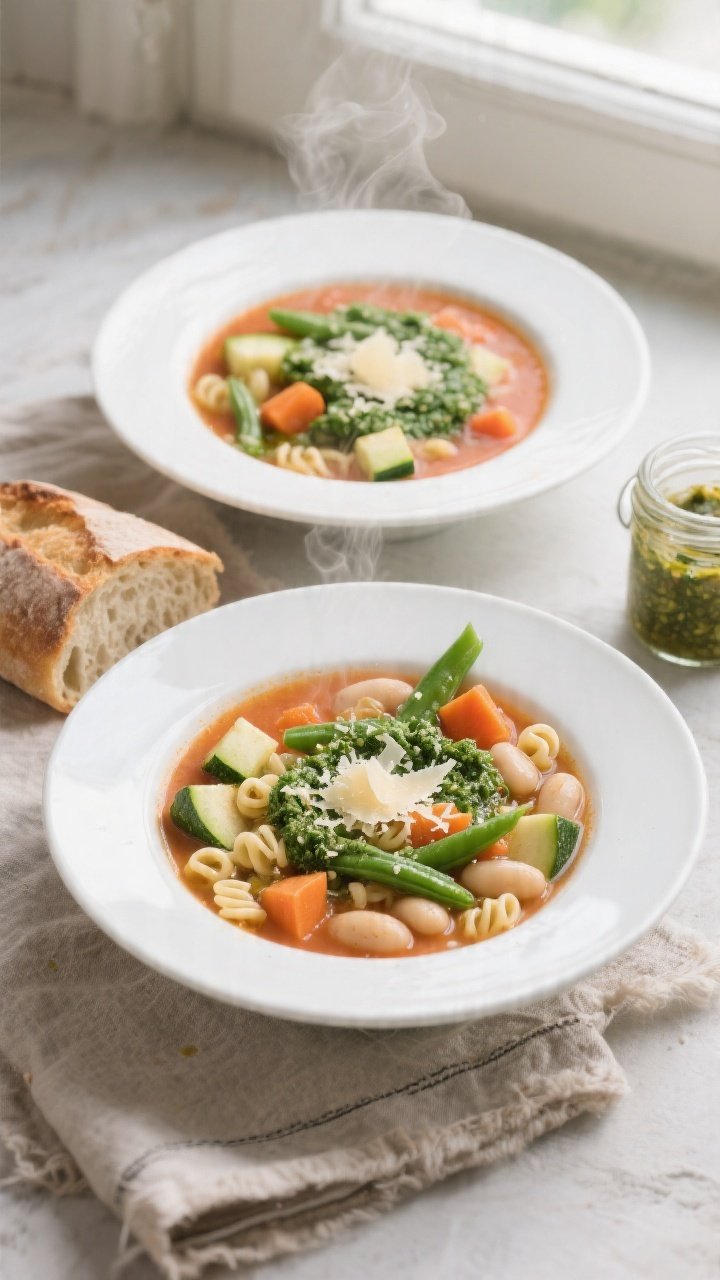
- Bright, clean flavors: The basil pistou lifts the whole pot with fragrance and freshness.
- Simple ingredients, big payoff: Everyday vegetables, pantry beans, and pasta become a beautifully balanced meal.
- Flexible and seasonal: Swap in what you have—zucchini, leeks, carrots, new potatoes, or green beans.
- Hearty but light: It’s filling without feeling heavy, thanks to fiber-rich beans and plenty of vegetables.
- Make-ahead friendly: The soup keeps well, and you can blend pistou in minutes before serving.
Ingredients
- Olive oil: 2 tablespoons
- Yellow onion: 1 medium, diced
- Leek (optional): 1 small, white and light green parts sliced and rinsed
- Garlic: 3 cloves, minced
- Carrots: 2 medium, diced
- Celery: 2 ribs, diced
- New potatoes: 2 small, diced
- Zucchini: 1 medium, diced
- Green beans: 1 cup, trimmed and cut into 1-inch pieces
- Canned diced tomatoes: 1 cup (optional but traditional in many versions)
- Vegetable broth or light chicken broth: 6 cups
- Bay leaf: 1
- Thyme: 1 teaspoon fresh leaves or 1/2 teaspoon dried
- White beans (cannellini or navy): 1 can (15 oz), drained and rinsed
- Small pasta: 1 cup (ditalini, small shells, or orzo)
- Salt and black pepper: To taste
For the Pistou
- Fresh basil leaves: 2 packed cups
- Garlic: 2–3 cloves
- Grated Parmesan or Gruyère: 1/3 cup (traditional recipes vary; cheese optional)
- Olive oil: 1/3–1/2 cup
- Salt: Pinch, to taste
How to Make It
- Sauté the aromatics: Warm olive oil in a large pot over medium heat. Add onion and leek (if using) with a pinch of salt. Cook 5–7 minutes until soft and glossy. Stir in garlic and cook 30 seconds until fragrant.
- Build the base: Add carrots, celery, and potatoes. Stir to coat with oil. Cook 3–4 minutes to start softening the edges.
- Add broth and herbs: Pour in broth and add bay leaf and thyme. If using diced tomatoes, add them now. Bring to a gentle boil, then reduce to a lively simmer. Cook 10 minutes.
- Layer the tender veg: Add zucchini and green beans. Simmer another 8–10 minutes, until all vegetables are just tender.
- Stir in beans and pasta: Add the white beans and pasta. Simmer until the pasta is al dente, usually 7–10 minutes depending on shape. Taste and season with salt and pepper.
- Make the pistou: While the pasta cooks, blend basil, garlic, cheese (if using), and a pinch of salt in a food processor. Stream in olive oil until it forms a loose, spoonable sauce. Adjust salt to taste. For a mortar-and-pestle version, pound garlic and salt first, then basil, then stir in cheese and oil.
- Finish and serve: Remove the bay leaf. Ladle the hot soup into bowls. Swirl in a spoonful or two of pistou on top of each serving. Do not boil pistou in the pot—keep it bright by adding at the end.
Storage Instructions
- Refrigerator: Cool the soup and store in an airtight container for up to 4 days. Keep pistou in a separate jar with a thin layer of oil on top to prevent browning.
- Freezer: Freeze the soup (without pasta if possible) for up to 2 months. Add freshly cooked pasta when reheating for the best texture.
- Reheating: Warm on the stove over medium heat. If the soup has thickened, add a splash of broth or water. Add pistou to bowls right before eating.
Health Benefits
- High in fiber: Beans and vegetables support digestion, balance energy, and help keep you full.
- Good fats: Olive oil and nuts in some pistou versions (if you add pine nuts) offer heart-healthy fats.
- Vitamins and minerals: Zucchini, green beans, and tomatoes bring vitamins A, C, and K, plus potassium and antioxidants.
- Protein boost: White beans add plant-based protein without weighing the soup down.
- Lower sodium control: Using low-sodium broth lets you season precisely to taste.
What Not to Do
- Don’t overcook the vegetables: You want them tender, not mushy. Add in stages to keep textures distinct.
- Don’t add pistou to the whole pot: Heat mutes the basil. Spoon it into bowls just before serving.
- Don’t skip salting in layers: A pinch at each stage builds flavor without oversalting at the end.
- Don’t let pasta sit too long in the soup: It will keep absorbing liquid. Cook it separately if you plan lots of leftovers.
- Don’t use bitter basil: Over-mature leaves can taste harsh. Choose fresh, bright green leaves.
Alternatives
- Beans: Swap cannellini for chickpeas or borlotti. For extra creaminess, mash a spoonful of beans into the broth.
- Pasta: Use farro, pearled barley, or small diced potatoes for a gluten-free or grainy twist.
- Broth: Vegetable broth keeps it vegetarian. Light chicken broth adds a savory note.
- Pistou variations: Traditional pistou can include cheese or be dairy-free. Add a squeeze of lemon for brightness, or a few pine nuts for body.
- Seasonal swaps: In early spring, add peas or fava beans. In late summer, toss in chopped ripe tomatoes and extra zucchini.
FAQ
What is the difference between pistou and pesto?
Pistou is the Provençal cousin of pesto.
It’s usually made with basil, garlic, olive oil, and sometimes cheese—but no nuts. Pesto typically includes pine nuts and Parmesan, and sometimes has a thicker texture.
Can I make pistou ahead of time?
Yes. Make it up to 3 days ahead.
Press plastic wrap directly onto the surface or top with a thin layer of olive oil, then seal and refrigerate to prevent browning.
How can I make this soup gluten-free?
Use gluten-free pasta or replace pasta with diced potatoes or cooked white rice. Add these at the end so they don’t break apart.
What if my basil turns dark?
Basil oxidizes when exposed to air. Blend with cold ingredients, add a splash of lemon if you like, and cover the pistou with oil in the fridge.
Add it to bowls, not the hot pot.
Can I use dried beans?
Absolutely. Cook 1 cup dried white beans until tender before starting the soup, or in advance. Keep some of the bean-cooking liquid to enrich the broth.
How can I make it heartier?
Add extra beans, more pasta, or stir in a handful of chopped cooked greens like kale near the end.
A Parmesan rind simmered in the broth adds body and depth.
Is cheese necessary in pistou?
No. Many traditional versions skip cheese. Without it, add a pinch more salt and a bit more olive oil for balance.
Wrapping Up
French pistou soup is proof that simple ingredients can taste extraordinary.
Build a colorful pot with the vegetables you have, simmer gently, and finish with that bold basil swirl. It’s cozy, bright, and perfect for spring evenings. Serve with good bread, a green salad, and extra pistou at the table for happy spoonfuls until the last drop.
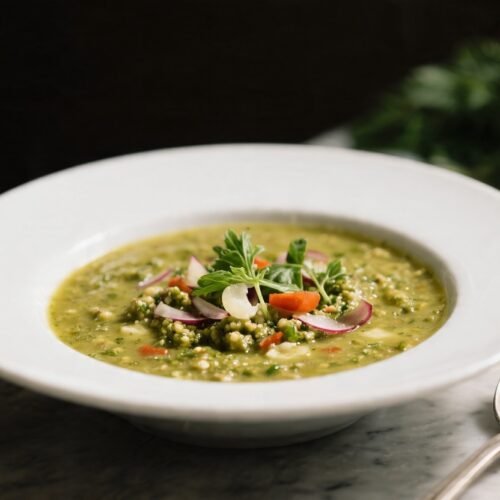
French Pistou Soup – A Classic Provençal Spring Bowl
Ingredients
- Olive oil: 2 tablespoons
- Yellow onion: 1 medium, diced
- Leek (optional): 1 small, white and light green parts sliced and rinsed
- Garlic: 3 cloves, minced
- Carrots: 2 medium, diced
- Celery: 2 ribs, diced
- New potatoes: 2 small, diced
- Zucchini: 1 medium, diced
- Green beans: 1 cup, trimmed and cut into 1-inch pieces
- Canned diced tomatoes: 1 cup (optional but traditional in many versions)
- Vegetable broth or light chicken broth: 6 cups
- Bay leaf: 1
- Thyme: 1 teaspoon fresh leaves or 1/2 teaspoon dried
- White beans (cannellini or navy): 1 can (15 oz), drained and rinsed
- Small pasta: 1 cup (ditalini, small shells, or orzo)
- Salt and black pepper: To taste
- Fresh basil leaves: 2 packed cups
- Garlic: 2–3 cloves
- Grated Parmesan or Gruyère: 1/3 cup (traditional recipes vary; cheese optional)
- Olive oil: 1/3–1/2 cup
- Salt: Pinch, to taste
Instructions
- Sauté the aromatics: Warm olive oil in a large pot over medium heat. Add onion and leek (if using) with a pinch of salt. Cook 5–7 minutes until soft and glossy. Stir in garlic and cook 30 seconds until fragrant.
- Build the base: Add carrots, celery, and potatoes. Stir to coat with oil. Cook 3–4 minutes to start softening the edges.
- Add broth and herbs: Pour in broth and add bay leaf and thyme. If using diced tomatoes, add them now. Bring to a gentle boil, then reduce to a lively simmer. Cook 10 minutes.
- Layer the tender veg: Add zucchini and green beans. Simmer another 8–10 minutes, until all vegetables are just tender.
- Stir in beans and pasta: Add the white beans and pasta. Simmer until the pasta is al dente, usually 7–10 minutes depending on shape. Taste and season with salt and pepper.
- Make the pistou: While the pasta cooks, blend basil, garlic, cheese (if using), and a pinch of salt in a food processor. Stream in olive oil until it forms a loose, spoonable sauce. Adjust salt to taste. For a mortar-and-pestle version, pound garlic and salt first, then basil, then stir in cheese and oil.
- Finish and serve: Remove the bay leaf. Ladle the hot soup into bowls. Swirl in a spoonful or two of pistou on top of each serving. Do not boil pistou in the pot—keep it bright by adding at the end.